






Polyurethane (PU) Coated Gloves: Features, Benefits, and Differences from Nitrile
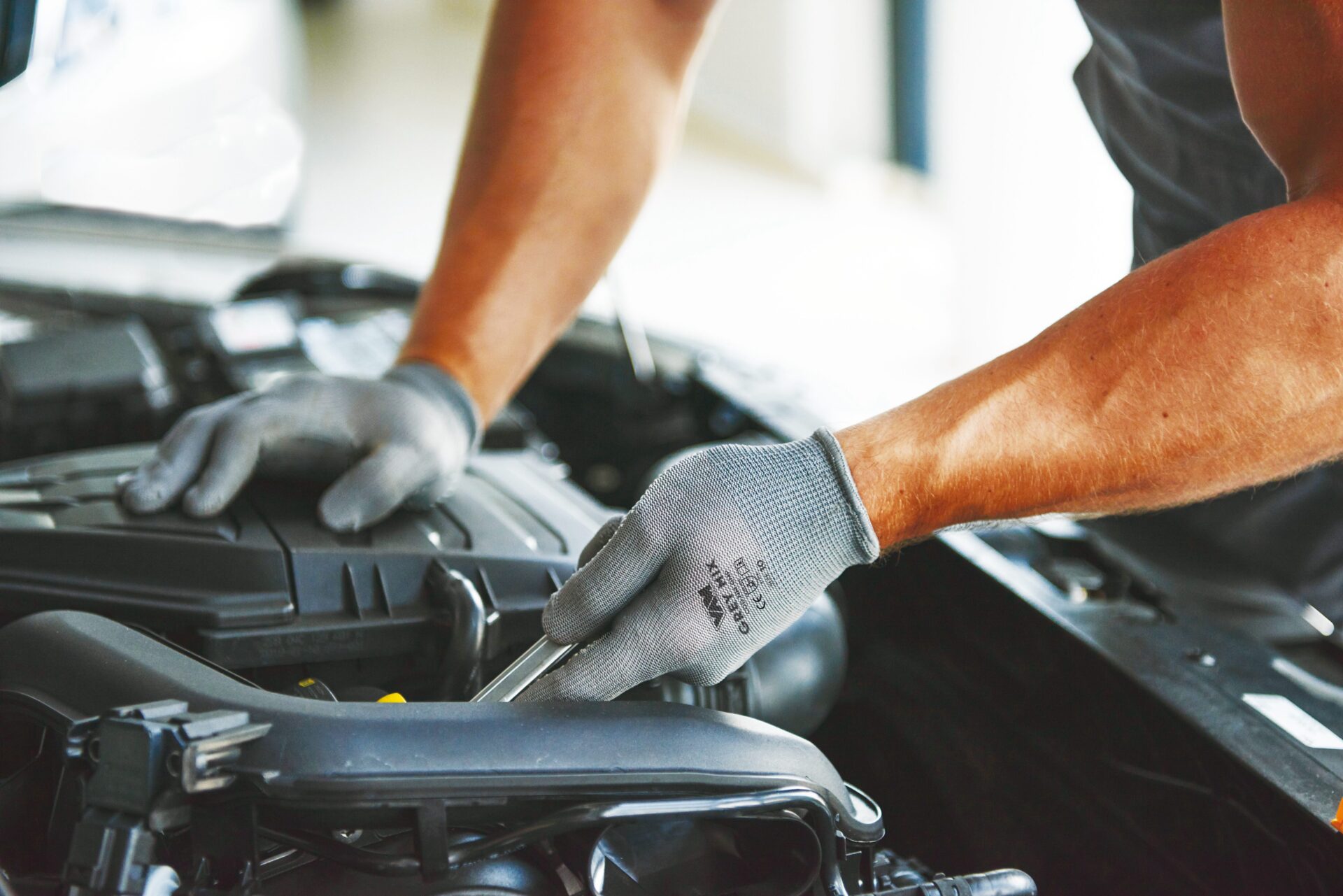
Disposable polyurethane (PU) coated gloves are designed to provide maximum precision, comfort, and tactile sensitivity during delicate handling operations. Thanks to their thin and flexible construction, they are the ideal solution for tasks where precise control and dexterity are essential.
Compared with other coating materials, polyurethane allows users to work with greater precision while maintaining excellent breathability and long-lasting comfort, even during prolonged use.
Features of Polyurethane (PU) Coated Gloves
Polyurethane is a high-performance technical material that combines lightweight construction with excellent functional performance, making it particularly suitable for dynamic working environments.
Its main features include:
- High tactile sensitivity;
- Excellent flexibility;
- Outstanding breathability;
- Long-lasting comfort during prolonged use.
These properties make PU-coated gloves an effective solution for professionals who require maximum precision without compromising comfort.
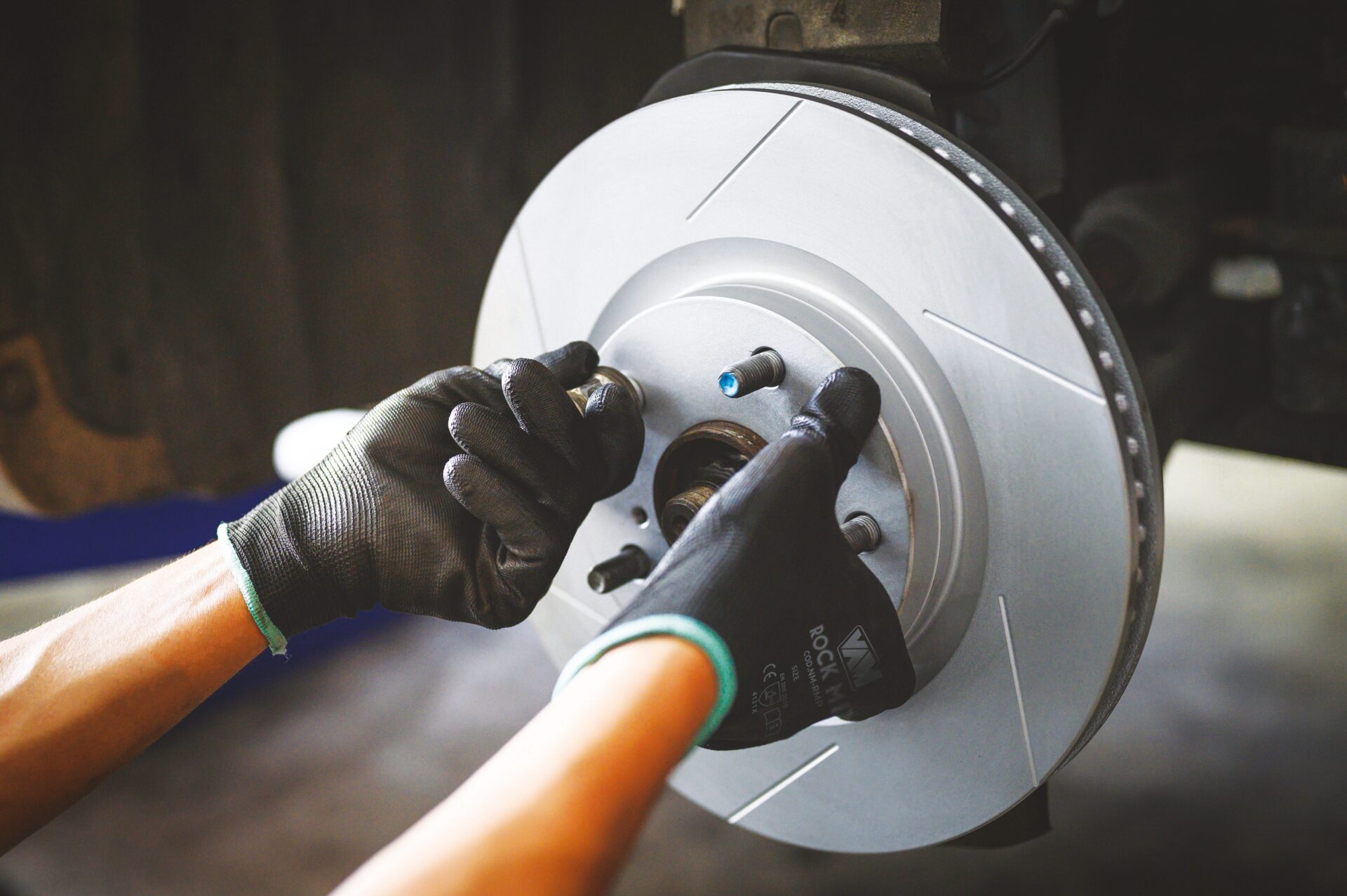
When to Use PU-Coated Gloves
Polyurethane-coated gloves are ideal for all applications that require precise, controlled handling and excellent manual dexterity.
They are particularly suitable for:
- Precision assembly;
- Electronics;
- Order picking and light logistics;
- Handling of small components.
Their main advantage is the ability to provide outstanding control and precision, even during the most delicate tasks.
Nitrile vs. Polyurethane: Key Differences
The choice between nitrile-coated and polyurethane-coated (PU) gloves mainly depends on the type of task and the working environment.
Nitrile
- Greater durability;
- Better grip on oily surfaces;
- Longer service life;
- Lower tactile sensitivity.
Polyurethane (PU)
- Lighter weight;
- Greater precision;
- Better breathability;
- Less suitable for demanding environments.
In summary, nitrile is the preferred choice when durability and mechanical resistance are the priority, while polyurethane is ideal when precision, dexterity, and comfort are the key requirements.
How to Choose the Right Coated Work Glove
To choose the most suitable coated work glove, it is important to consider a few key factors.
Type of Application
- Heavy-duty work → Nitrile
- Precision work → Polyurethane (PU)
Working Environment
- Presence of oils or grease → Nitrile
- Dry environments → Polyurethane (PU)
Required Durability
- Intensive use → Nitrile
- Continuous but light-duty use → Polyurethane (PU)
Required Level of Tactile Sensitivity
- High precision → Polyurethane (PU)
- Maximum durability and protection → Nitrile
Why Choose Polyurethane-Coated Gloves
Polyurethane-coated gloves are not simply an alternative—they are a purpose-designed solution for applications where precision and control are essential.
Choosing the right glove helps improve:
- Workplace safety;
- Productivity;
- Operator comfort.
In working environments where precision is critical, polyurethane-coated gloves provide the ideal combination of dexterity, comfort, and performance, ensuring consistent efficiency throughout the working day.
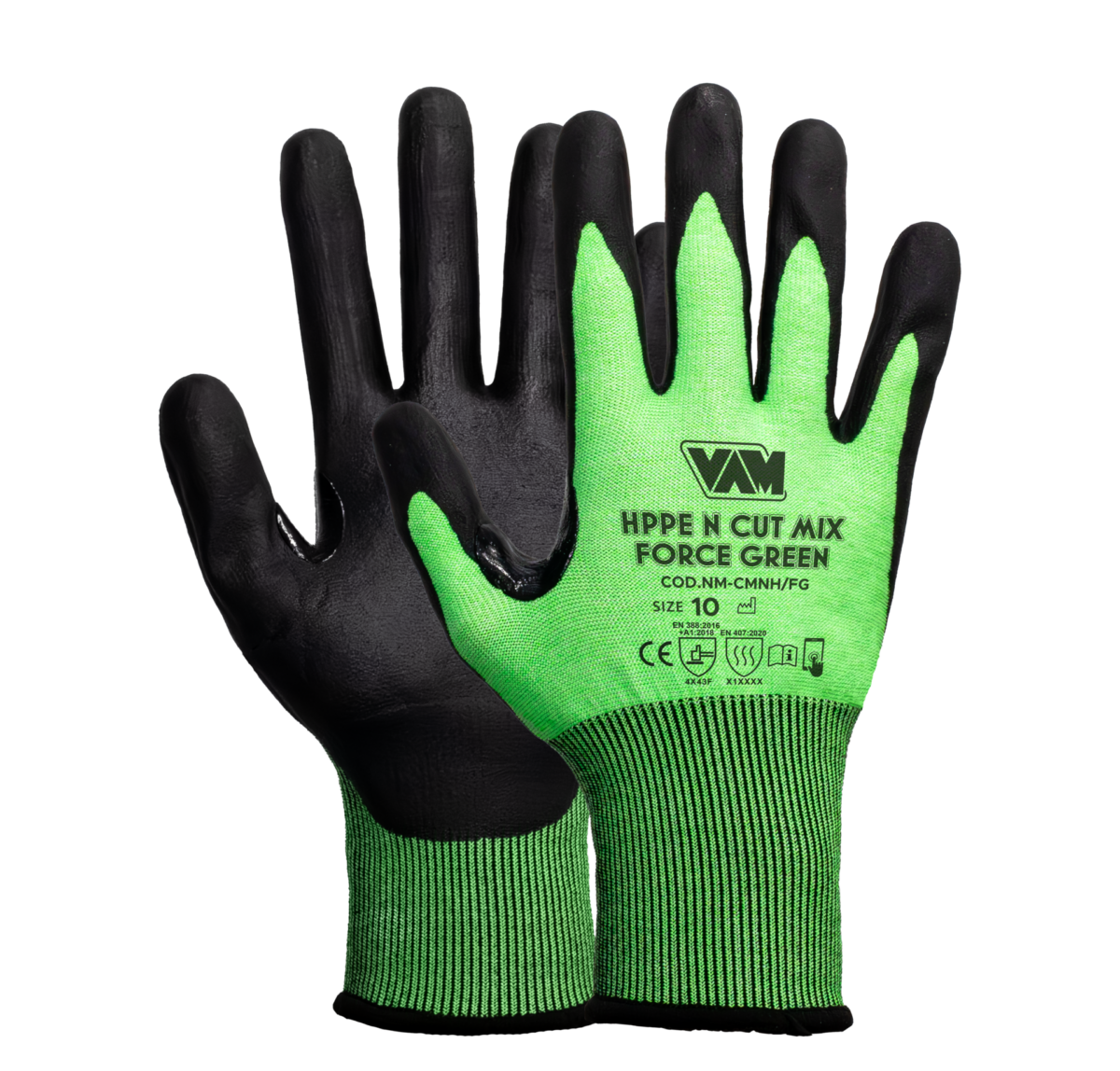
Discover the VAM Polyurethane-Coated Gloves
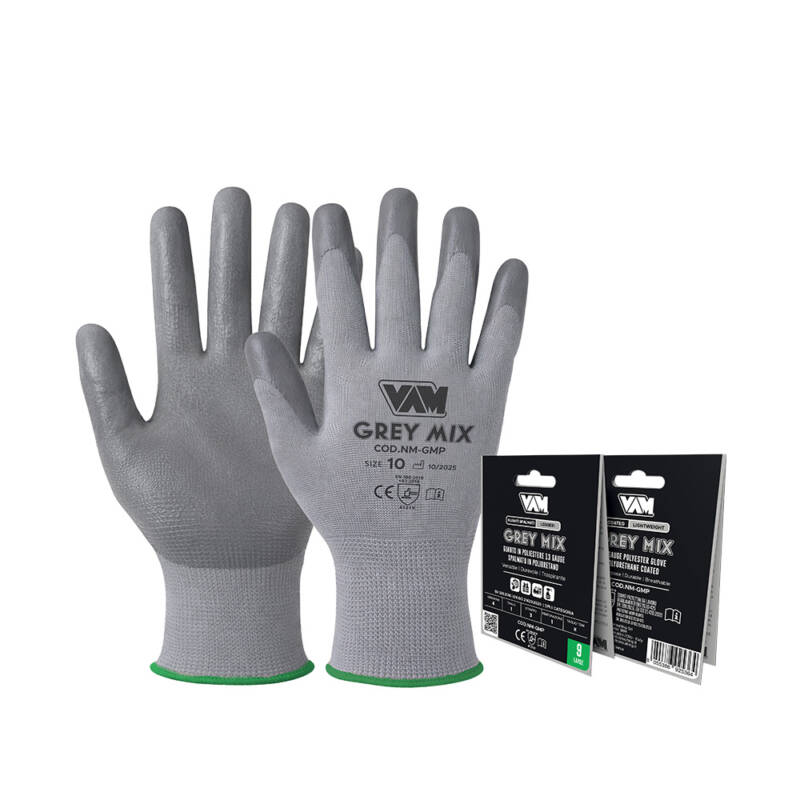
GREY MIX

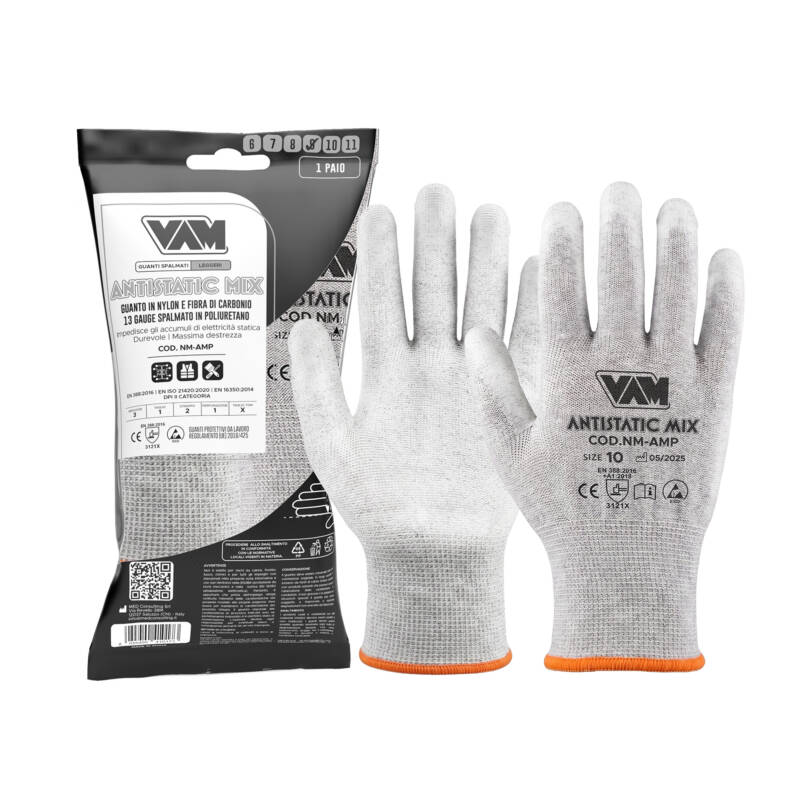
ANTISTATIC MIX

ANTISTATIC FINGER MIX

CUT MIX

D CUT MIX
