














Categories of PPE: What Are They and How Is Personal Protective Equipment Classified in Different Fields?

In the context of workplace safety, Personal Protective Equipment (PPE) plays a fundamental role in preventing occupational injuries and protecting workers’ health.
The use of PPE is required whenever workplace hazards cannot be eliminated or sufficiently reduced through technical, organizational, or procedural measures.
To ensure protection that is appropriate and proportionate to the level of risk, regulations classify PPE into three categories, based on the severity of the hazard against which the equipment is designed to protect.
What PPE Is and Why It Is Classified
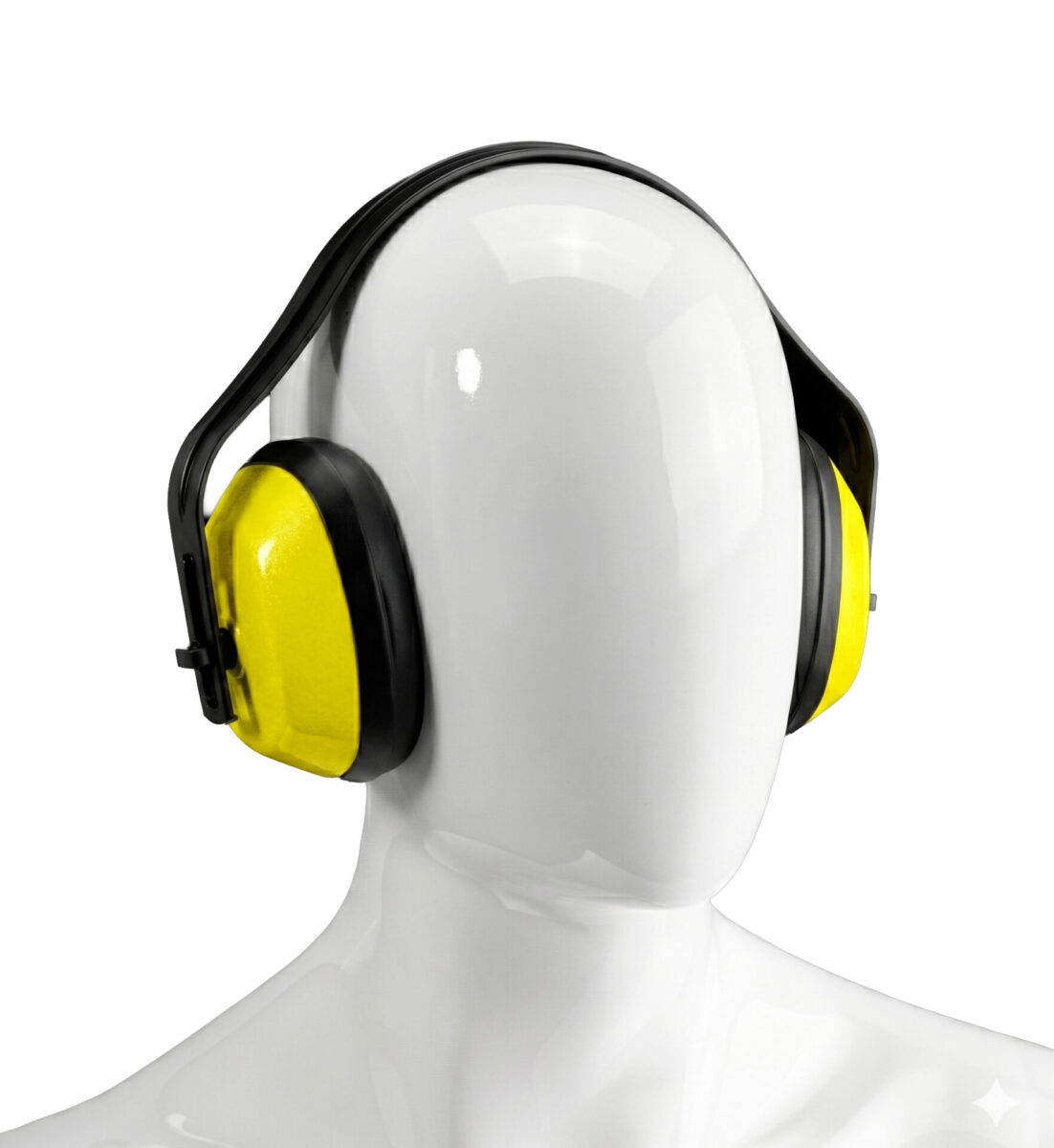
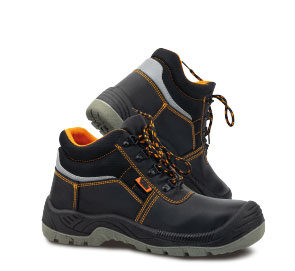
Personal Protective Equipment (PPE) refers to any equipment designed to be worn or held by a worker for the purpose of protecting them against one or more risks to their health and safety.
The classification of PPE was introduced to:
- distinguish protective equipment according to the level of risk involved;
- establish different conformity assessment and certification requirements;
- ensure stricter controls for PPE intended to protect against serious or life-threatening hazards.
Not all PPE provides the same level of protection, nor is it subject to the same assessment and certification procedures before being placed on the market.
The Three Categories of Personal Protective Equipment (PPE)
CATEGORY I: PPE for Minimal Risks
Category I PPE protects the user against low-level risks whose effects are generally reversible and can be readily identified by the wearer.
This category includes equipment designed to protect against:
- minor mechanical injuries;
- contact with mildly aggressive cleaning agents;
- exposure to non-extreme weather conditions.
In these situations, the user is able to independently assess the effectiveness of the PPE.
CATEGORY II: PPE for Significant Risks
Category II PPE includes all equipment that does not fall within either Category I or Category III.
This is the most common category in the workplace and the one most widely used across manufacturing, healthcare, and logistics sectors.
These PPE products are designed to protect against risks that may cause:
- injuries of medium severity;
- damage that is not immediately reversible;
- injuries requiring continuous, reliable, and certified protection.
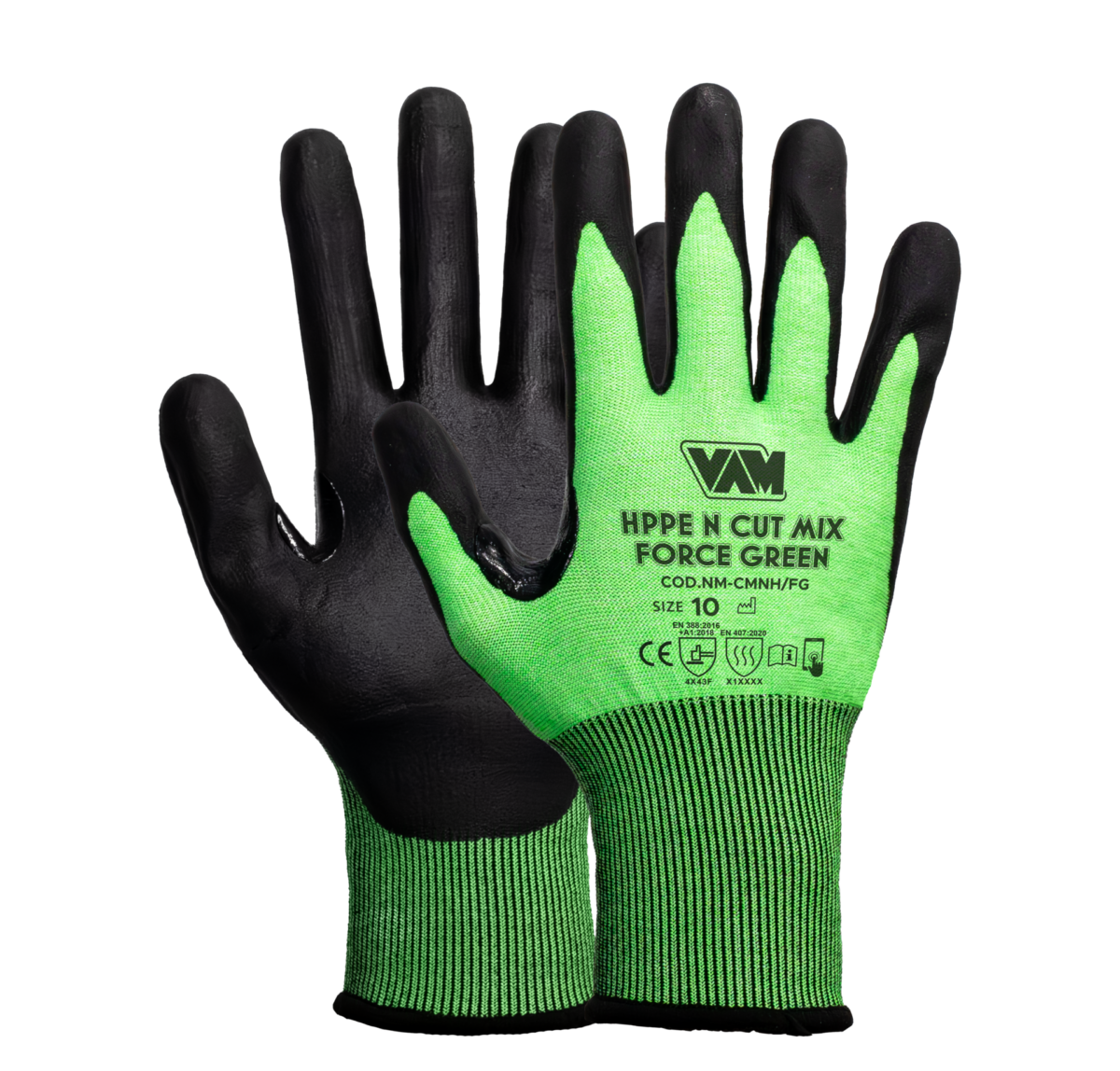
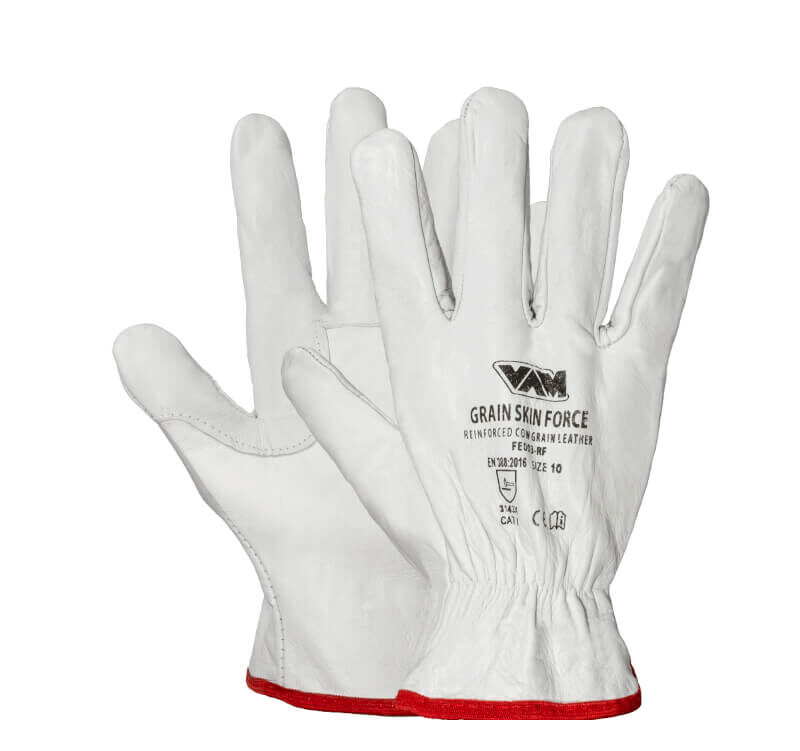
Work gloves and disposable gloves generally fall within Category II PPE, as they are intended to protect against mechanical, biological, and chemical hazards that are significant but not considered extreme.
These products are essential in many operational environments where direct contact with potentially harmful agents is frequent.
For this category, certification by a notified body is required to ensure compliance with the safety and performance requirements established by European regulations.
CATEGORY III: PPE for Serious or Fatal Risks
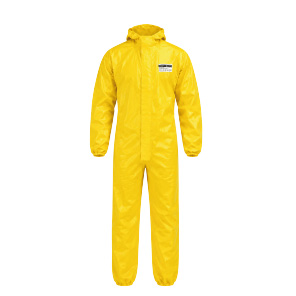
Category III PPE is intended to protect workers against very serious hazards that may result in irreversible injury or death.
This category includes equipment designed to provide protection against:
- hazardous chemical agents;
- oxygen-deficient atmospheres;
- biological risks;
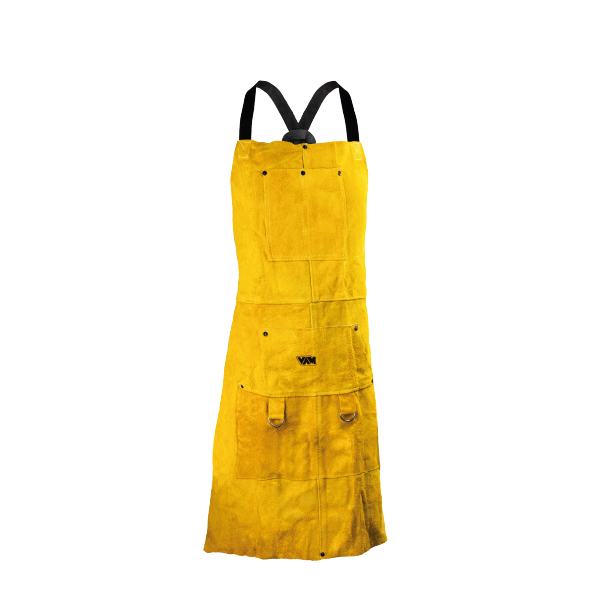
- environments with extreme temperatures.
These PPE products are subject to particularly stringent certification and quality control procedures, including ongoing monitoring during the manufacturing process.
How to Identify Category II PPE
Correctly identifying Category II PPE is essential to ensure that the equipment provides a level of protection appropriate to the hazards present in the workplace.
In general, Category II PPE can be recognized by the following features:
- the CE marking displayed on the product or its packaging;
- reference to the applicable technical standards and regulations;
- protective pictograms indicating the type of risk covered;
- an EU Declaration of Conformity provided by the manufacturer.
Unlike Category I PPE, Category II PPE must undergo a conformity assessment carried out by a notified body, which verifies its performance and compliance with applicable requirements before it can be placed on the market.
Why It Is Important to Understand PPE Categories
Understanding the classification of PPE is essential in order to:
- carry out an accurate assessment of workplace risks;
- select equipment that is appropriate for the specific working environment;
- comply with occupational health and safety regulations;
- ensure effective and reliable protection for workers.
PPE that is not suited to the level or type of risk, even if formally compliant with applicable regulations, may prove ineffective and compromise worker safety.
An Informed Choice for Effective Workplace Safety
The classification of Personal Protective Equipment (PPE) into three categories is a key tool for selecting the most appropriate protective solutions for each specific risk scenario.
Providing clear and reliable information about PPE helps promote a strong safety culture, enabling employers, Health and Safety Managers, and end users to make informed and responsible decisions that contribute to safer working environments.