Quale guanto monouso scegliere tra nitrile, lattice o vinile?

Quale guanto monouso scegliere? In nitrile, lattice o vinile? Un confronto tecnico completo con caratteristiche, certificazioni, settori d’uso.

Comparative Technical Guide

Nitrile, latex, or vinyl gloves: Which ones should you choose?

A comprehensive technical comparison of the three main materials used for disposable gloves. Features, EN certifications, areas of use, and VAM and M+D products from Med Consulting.

Which glove is right for you?

The most widely used
Nitrile
The best choice in most situations. Superior chemical resistance, hypoallergenic, ideal for healthcare, industry, the food industry, and laboratories.
For optimal sensitivity
Latex
Maximum tactile sensitivity and superior comfort. Recommended for surgery, precision procedures, and laboratories where there is no risk of allergies. Not recommended where latex allergy is a risk factor.
Affordable and hypoallergenic
Vinyl
An economical option for short-term, low-risk activities (reception, fat-free food service, light cleaning). Lower mechanical and chemical resistance: not suitable for high-risk environments.

Technical Specifications

Comparison tables listing all the tire specifications for each product. The dots correspond to the star ratings in a second comparison table.

Nitrile Gloves

Acrylonitrile-butadiene · Universal use
Material Nitrile rubber
Chemical Resistance High
Mechanical Strength Very high
Tactile Sensitivity Medium–high
Elasticity Good
Risk of Allergies Absent (latex-free, phthalate-free)
Food contact Qualified (with specific certification)
Thickness 0.06 – 0.16 mm
AQL ≤ 1.5
Length 240–400 mm
Origin Summary
Regulations EN ISO 374-1, EN ISO 374-5, EN 455
Areas of Use Medical · Industry · Laboratories · Cleaning

Latex Gloves

Natural rubber · High precision
Material Natural rubber
Chemical Resistance Media
Mechanical Strength High
Tactile Sensitivity Very high (maximum precision)
Elasticity Excellent
Risk of Allergies Present (latex proteins)
Food contact Qualified (with specific certification)
Thickness 0.06 – 0.30 mm
AQL ≤ 1.5
Length 240–300 mm
Origin Natural
Regulations EN ISO 374, EN ISO 374-5, EN 455
Areas of Use Doctor · Laboratories · Beauty & Tattoos

Vinyl Gloves

Plasticized PVC · Economical use
Material PVC
Chemical Resistance Low–medium
Mechanical Strength Low–medium
Tactile Sensitivity Low–medium
Elasticity Limited
Risk of Allergies Absent (latex-free)
Food contact Qualified (with specific certification)
Thickness 0.06–0.08 mm
AQL 1,5
Length 240 mm
Origin Summary
Regulations EN ISO 374-1, EN ISO 374-5, EN 455
Areas of Use Healthcare · Hospitality · Cleaning

Detailed Technical Comparison

Technical comparison of parameters: performance, certifications, safety, sustainability, and suitability for specific sectors. Data based on EN standards and manufacturers’ technical data sheets.
Parameter Nitrile Latex Vinyl
Protection and Safety
Chemical Resistance★★★★★ High★★★☆☆ Average★★☆☆☆ Limited
Mechanical Strength★★★★★ High★★★★☆ High★★☆☆☆ Low
Microbiological barrier★★★★☆ High★★★★☆ High★★★★☆ High
Tactile Sensitivity★★★★☆ High★★★★★ High★★☆☆☆ Low
Elasticity★★★☆☆ Average★★★★★ High★★☆☆☆ Low
Risk of Allergies★★★★★ High★★☆☆☆ Low★★★★★ High
Regulatory Compliance★★★★★ High★★★★★ High★★★★★ High

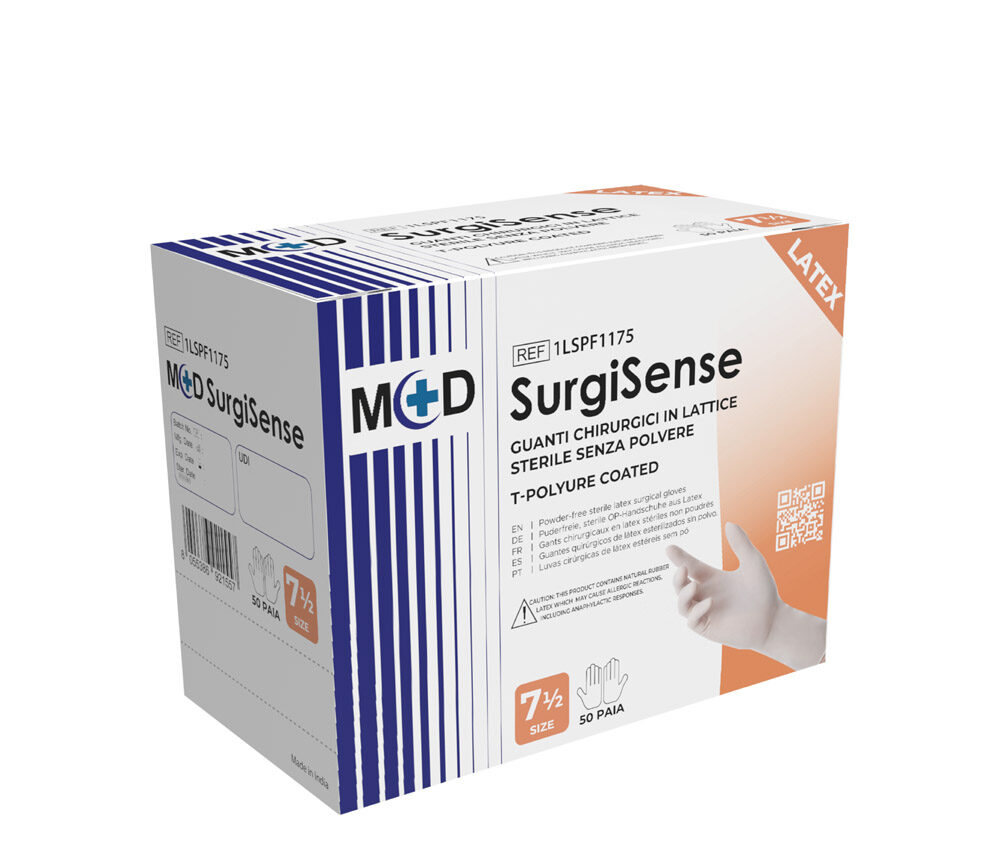
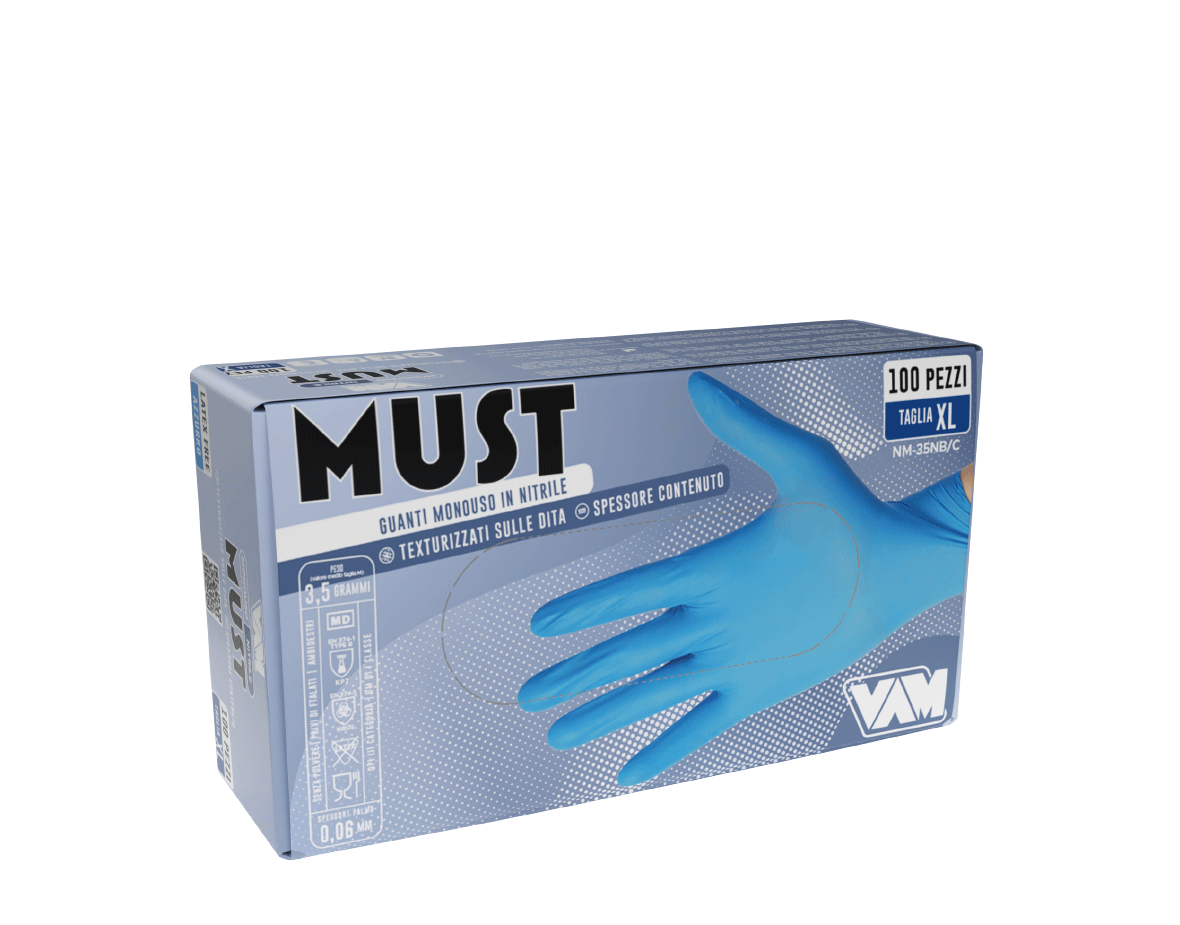
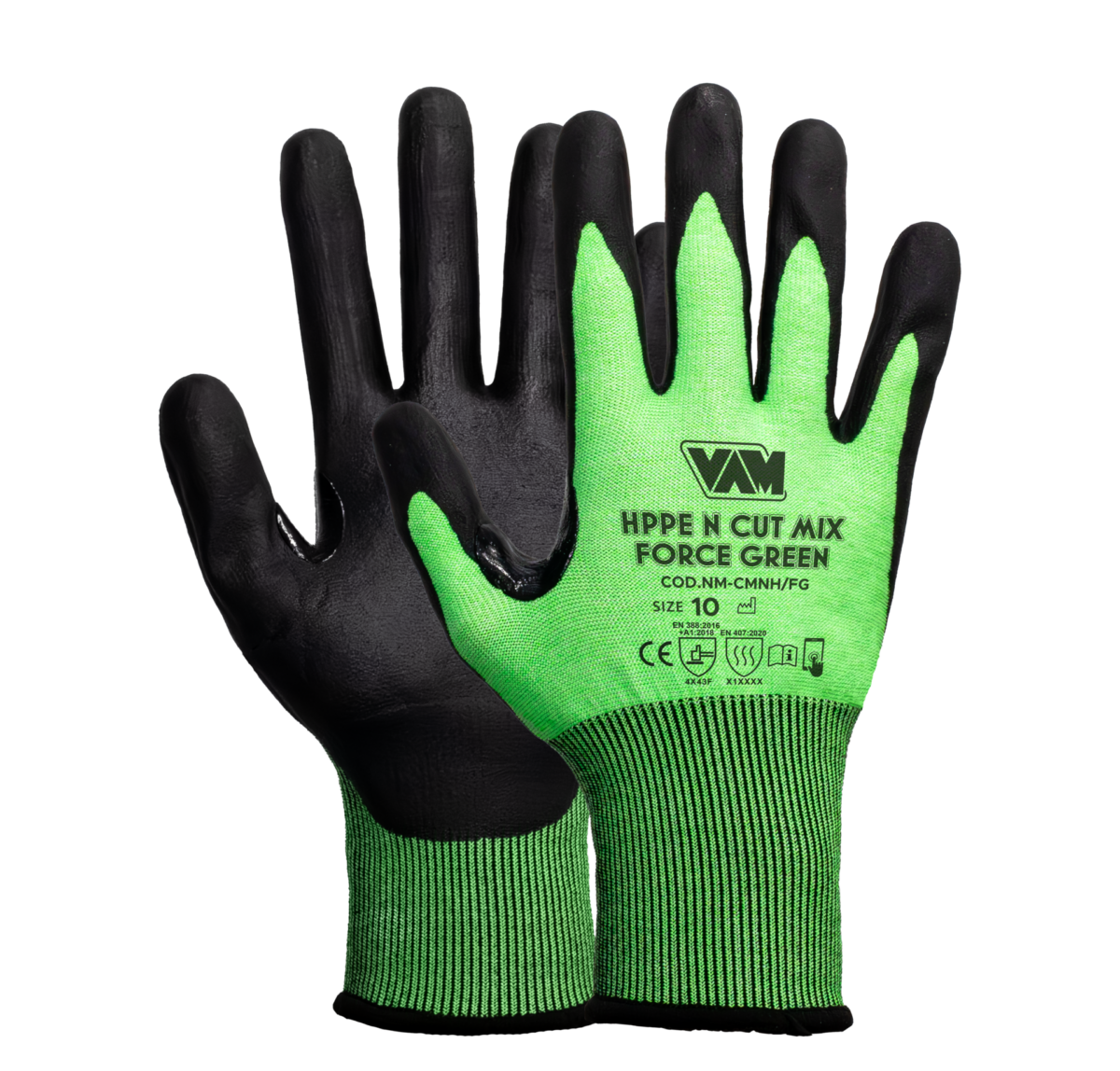
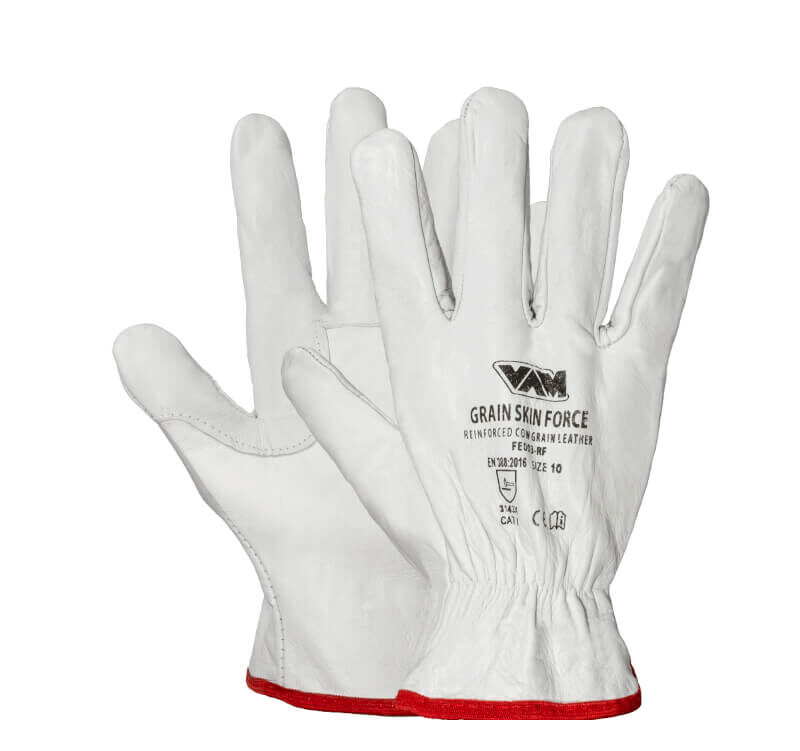
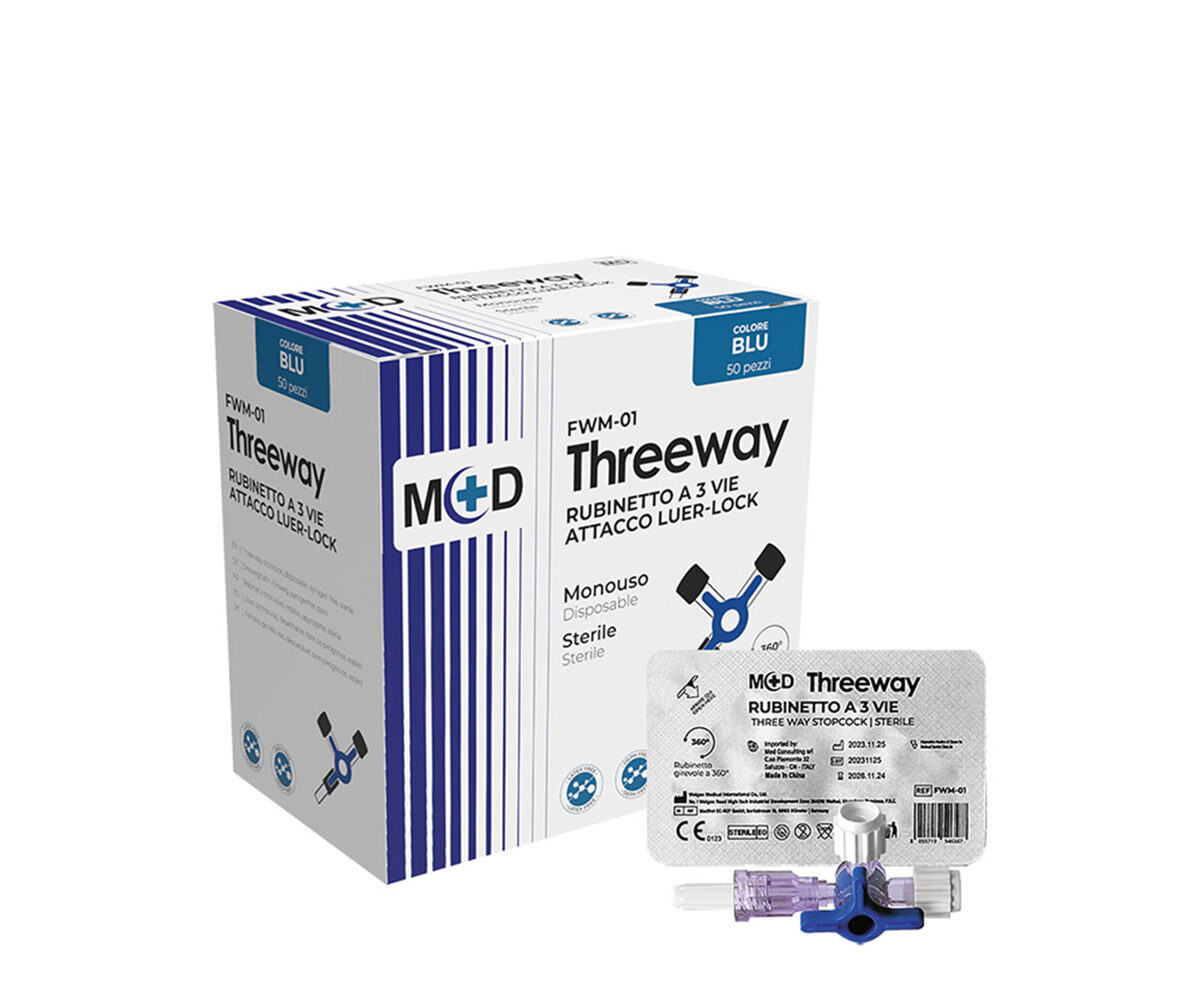
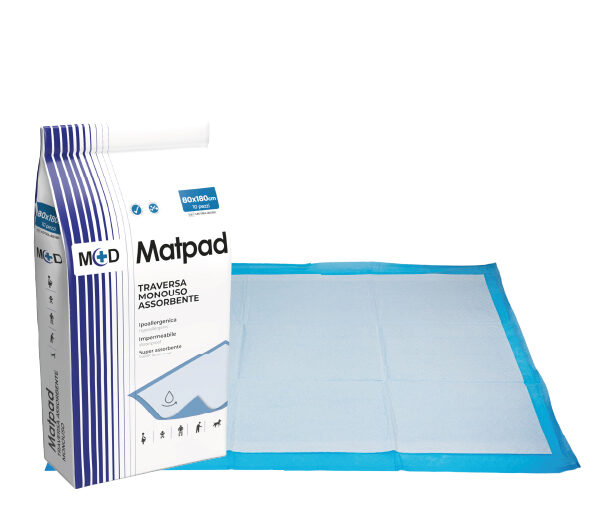
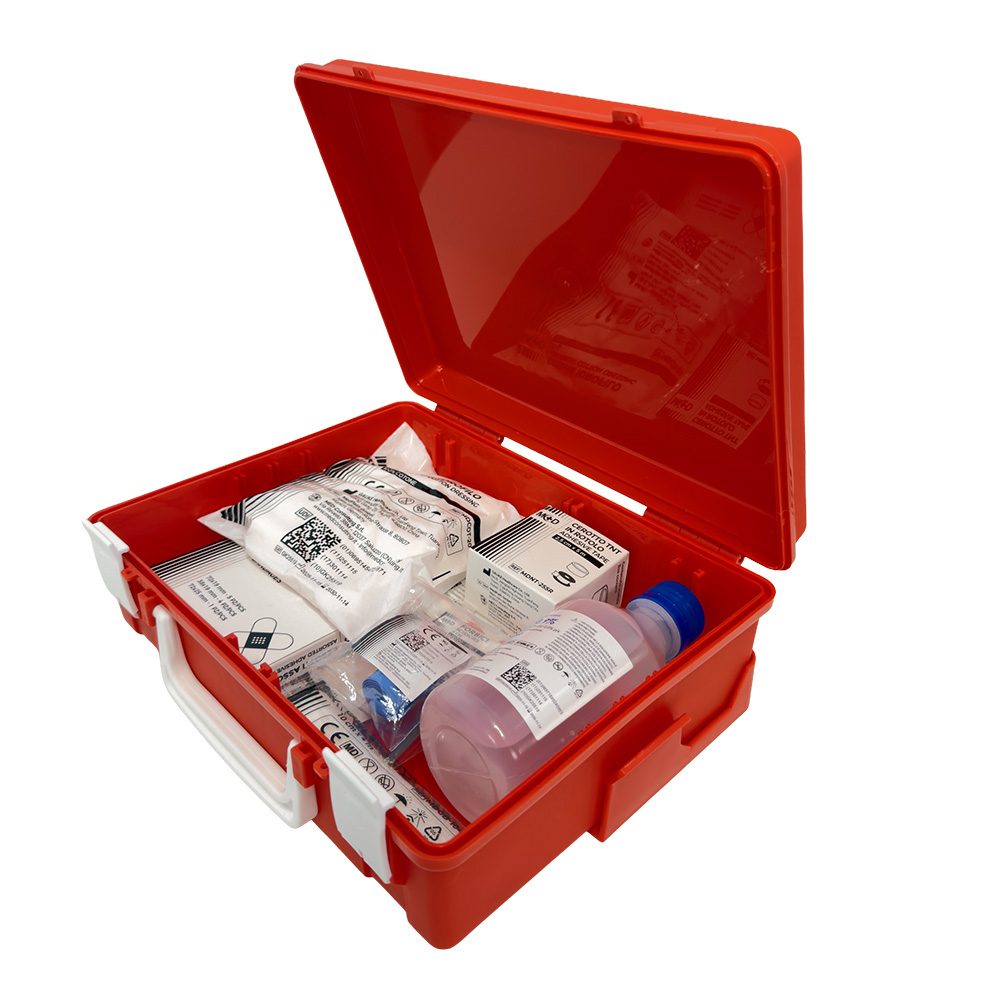
Featured products

Previews of VAM and M+D products on this page.

Select your industry

Select your industry to receive an immediate recommendation on the most suitable material and product.
Recommended Nitrile ★★★★★

Healthcare and the Medical Sector

Nitrile is the standard material for the healthcare sector. It complies with EN 455 (all 4 parts), is hypoallergenic, and provides an excellent microbiological barrier. It is also recommended for use with chemotherapy drugs. Latex is suitable for precision surgery only when the risk of allergies has been ruled out.

  • EN 455 — Disposable Medical Gloves (4 parts)
  • AQL 1.5 is mandatory for medical use
  • Compatibility with chemotherapy drugs: certified nitrile only
  • Dust-free for sterile environments
Recommended Nitrile ★★★★★

Chemical and Mechanical Industries

Nitrile offers the best combination of chemical resistance (EN 374) and mechanical resistance (EN 388) for industrial applications. It resists a wide range of oils, greases, and solvents. Ideal for tasks that require extended protection without sacrificing dexterity.

  • EN 374 — Protection Against Chemical Agents
  • EN 388 — Mechanical Strength
  • Resistant to oils, greases, and solvents
  • Vinyl is not recommended for high-risk environments
Recommended Nitrile / Vinyl ★★★★☆

Ho.Re.Ca.

Powder-free nitrile is the first choice for the food industry: it is hypoallergenic, compliant with EC Regulation 1935/2004, and resistant to fats and oils. Vinyl is acceptable only for low-contact, short-duration tasks. Latex is not recommended due to the risk of cross-reactivity.

  • EC Reg. 1935/2004 — suitability for food contact
  • Choose powder-free gloves
  • Distinctive colors (blue/green) to indicate visible contamination
  • AQL 1.5 for critical HACCP processes
Recommended Nitrile / Latex ★★★★★

Laboratory and Scientific Research

The choice depends on the application. Nitrile is preferred for its chemical resistance (EN 374) and versatility. Latex offers the highest level of sensitivity for precision procedures. The choice depends on the chemical risk profile and whether the operators have any allergies.

  • EN 374: Essential for Exposure to Reagents
  • Check compatibility with specific substances
  • Latex may be used only if allergies have been ruled out for all staff members
  • Minimum thickness of 0.10 mm for hazardous substances
Recommended Nitrile / Latex ★★★★☆

Beauty & Tattoo

Nitrile is the go-to material for cosmetic professionals, hairstylists, nail artists, and tattoo artists. It is hypoallergenic and resistant to dyes, solvents, and bleaches. It offers good tactile sensitivity for precision work on clients.

  • Hypoallergenic — no risk of latex allergy
  • Resistant to dyes and solvents
  • Thickness: 0.08 mm+ for extended use
  • Bright colors (black, purple) typical of the industry
Recommended Nitrile ★★★★☆

Cleaning and Sanitization

Nitrile offers the best resistance to detergents, disinfectants, and professional sanitizing products. It outperforms vinyl in durability and latex in resistance to harsh chemicals. For light cleaning, vinyl is a cost-effective option.

  • Resistant to bleach, diluted acids, and alcohol
  • Longer lifespan than vinyl (better cost-benefit ratio)
  • Hypoallergenic for repeated daily use
  • Vinyl: For light cleaning only, without harsh cleaning products

Questions and Answers About Disposable Gloves

Frequently Asked Questions About Nitrile, Latex, and Vinyl.
The most common types of disposable gloves are made of latex, nitrile, and vinyl. Latex offers high sensitivity and comfort; nitrile provides greater chemical and mechanical resistance; and vinyl is a cost-effective solution for low-risk applications.
Nitrile is free of natural latex, making it ideal for preventing allergies, and it is more resistant to chemicals and punctures. Latex, on the other hand, offers better elasticity and tactile sensitivity.
Not all of them. There are sterile gloves, used primarily in surgical settings, and non-sterile gloves, intended for outpatient, diagnostic, or industrial use.
Powder-free gloves are now the standard, especially in the medical and food industries, because they reduce the risk of contamination and skin reactions. Yes, if they are certified as medical devices or PPE and used correctly, they provide an effective barrier against biological agents. However, it is essential to combine their use with proper hygiene practices.
They must be used for limited periods and replaced after each use or if they are damaged or contaminated. They are not designed for prolonged use.
Only if they comply with food safety regulations. It is important to verify the specific certifications for food contact.
The size of disposable gloves should be selected based on the circumference of the palm and the length of the fingers. A proper fit ensures comfort, maximum tactile sensitivity, and reduces the risk of tears during use. To find the best fit, consult our size chart available here (link).
No, they are designed for single use only. Reusing them compromises safety and hygiene.
Disposal depends on the type of use: in the healthcare sector, specific protocols for special waste are followed, while non-contaminated items can be disposed of in accordance with local regulations.

Do you need the right gloves for your industry?

Request a consultation on the disposable gloves best suited for your business