FAQ su guanti monouso, dispositivi medicali e DPI certificati

Scopri le FAQ sui guanti monouso, dispositivi medicali e DPI: differenze nitrile-lattice-vinile, AQL, taglie, certificazioni e scelta per lavoro e sanità.

FAQ

We answer your most frequently asked questions

GENERAL INFORMATION

For quotes, information and product price lists, send an email to commerciale@medconsulting.it indicating:

  • company details (company name, address, contact information);
  • sector and whether you are resellers/end users of the requested products:
  • expected sales quantities, if a quote is requested.

You can download our catalogs in PDF format directly from the website or by requesting them via email at: vendite@medconsuting.it If you prefer to view the catalogs in paper version, please do not hesitate to contact us to schedule an appointment with one of our regional agents.

Following our warehouse availability, goods are normally delivered in Italy (excluding islands) within 5-6 working days. We are committed to ensuring fast and efficient delivery times to meet your needs in the best possible way. However, we invite you to contact us to confirm the availability of the specific product you wish to purchase and to obtain further details on shipping. Our goal is to provide high-quality service and ensure maximum customer satisfaction.

After confirmation of order acceptance, at the time of shipment you will receive a summary email with the courier tracking link inside. For any doubts or delays you may notice, do not hesitate to contact customer service.

Med Consulting offices are open Monday to Friday, from 8:30 to 12:30 and from 14:00 to 18:00.

PRODUCTS

Instructions for use may vary depending on the type of product and are always indicated on the label. To ensure the maximum level of device performance, it is essential to carefully follow the provided instructions.

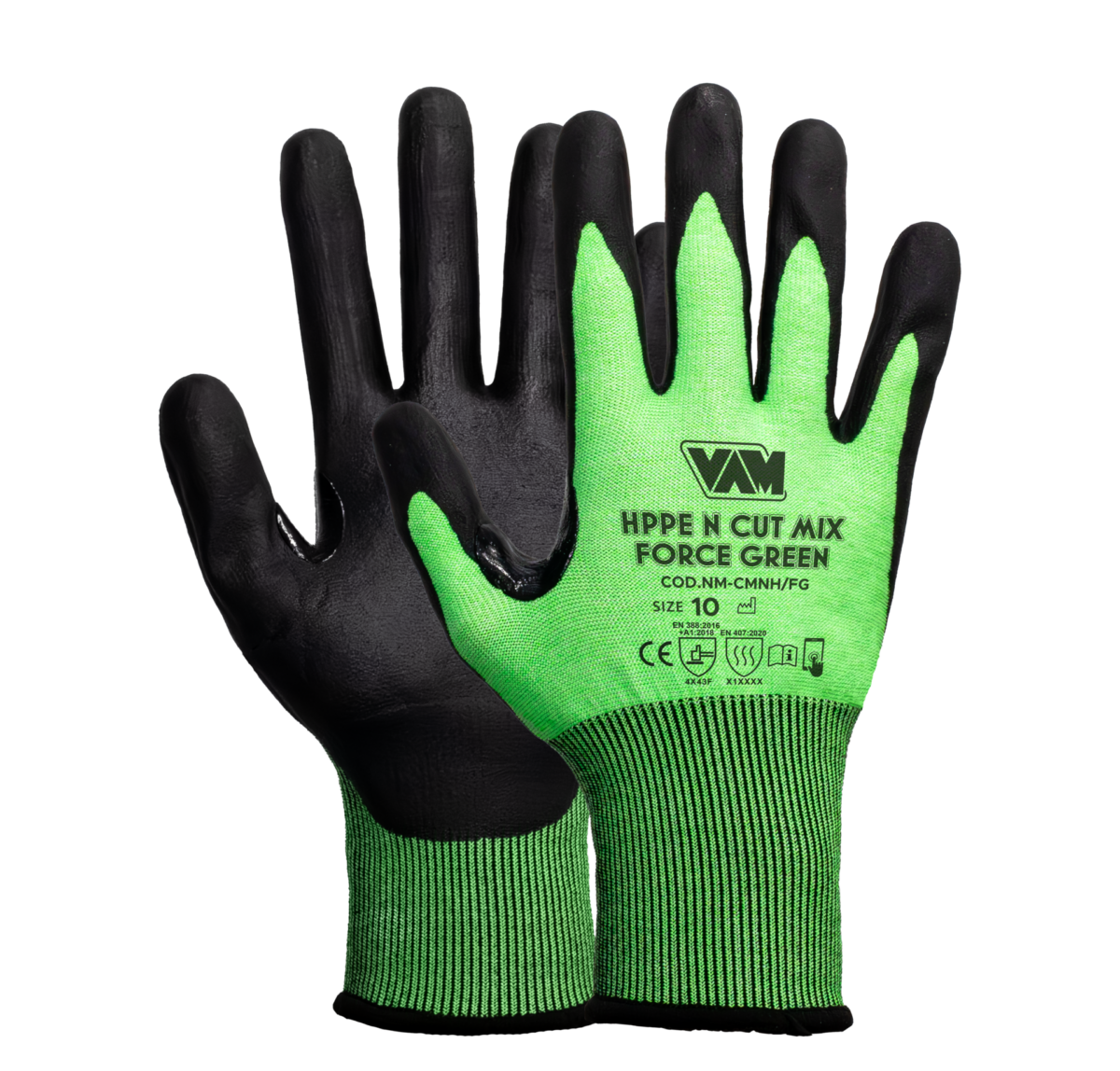
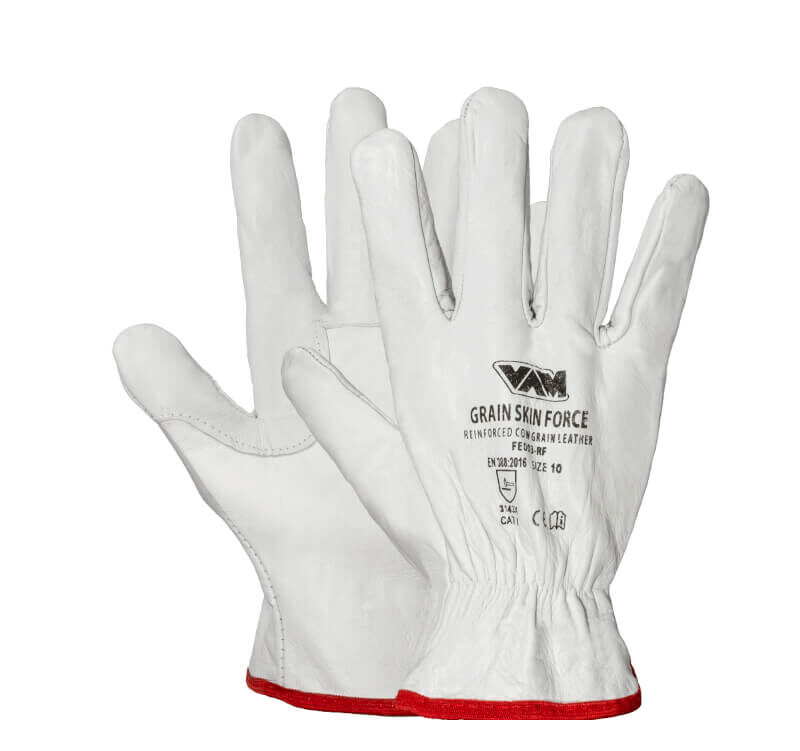
When choosing gloves, it is important to carefully evaluate the following characteristics:

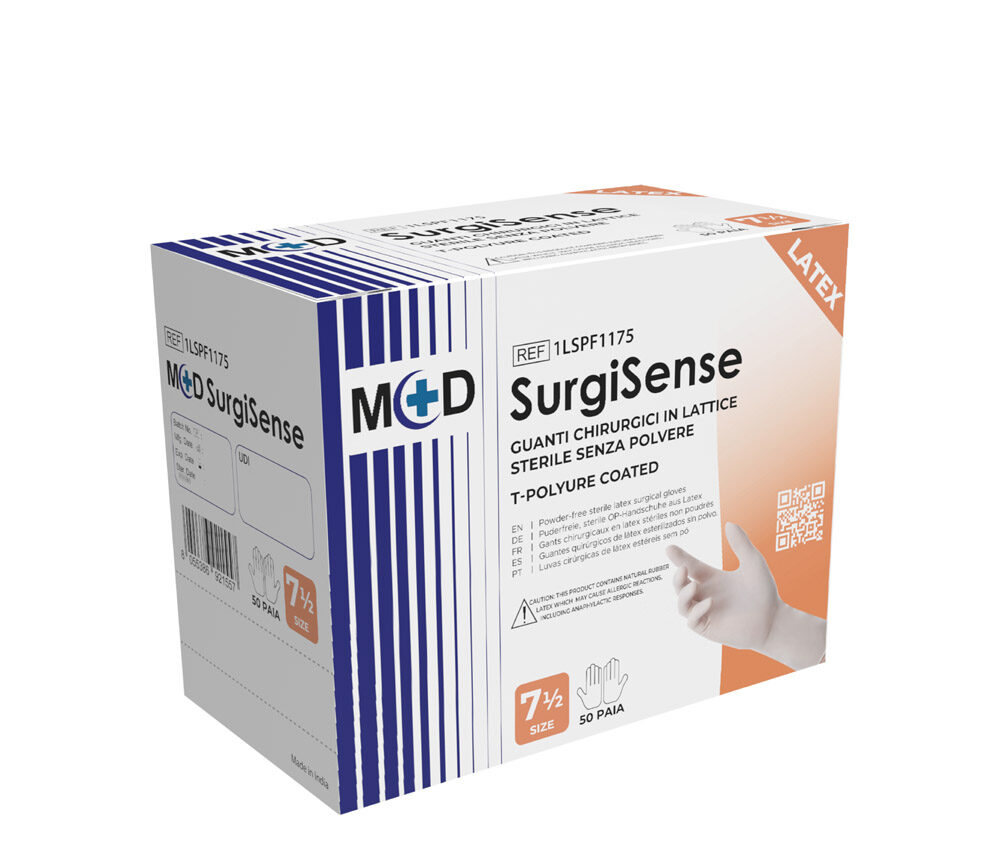
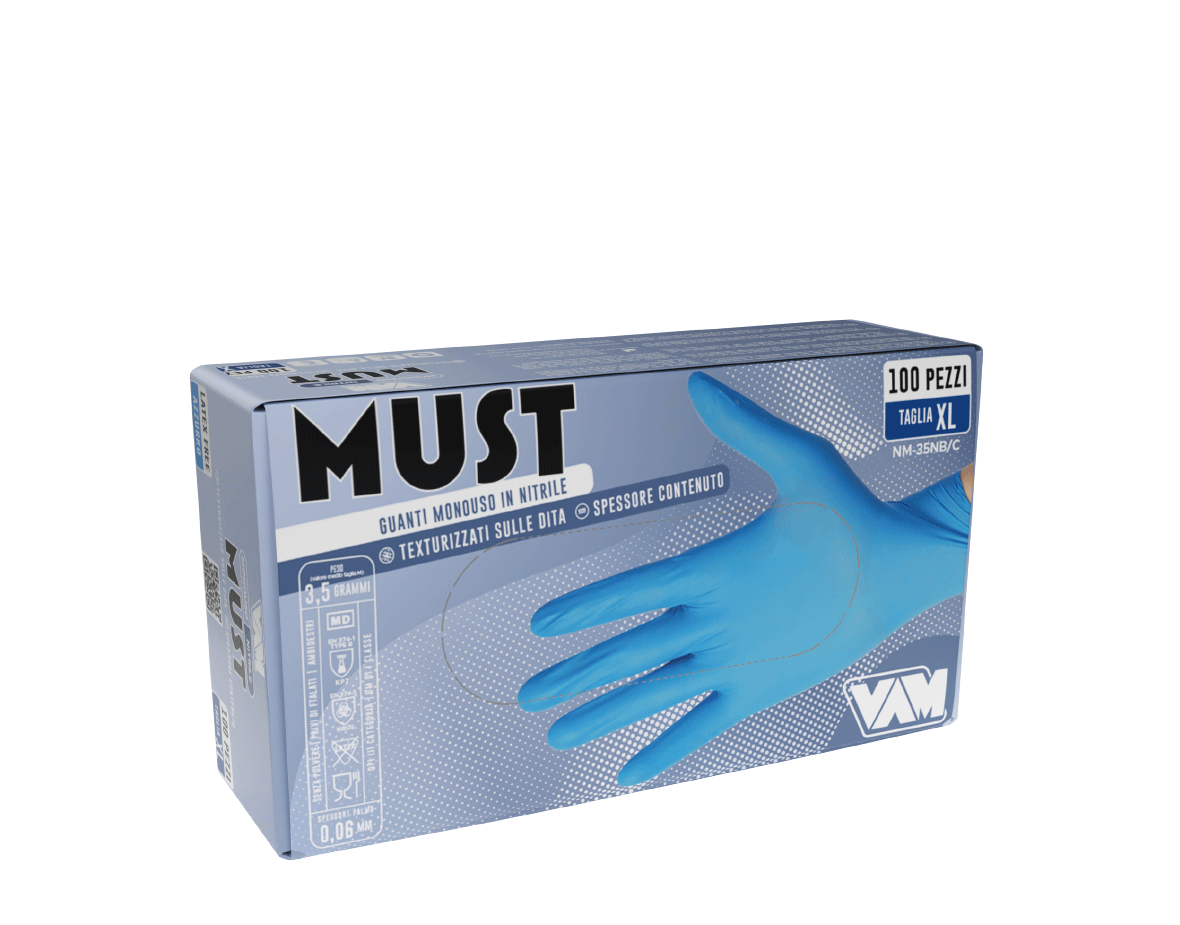
  1. Raw Material: different materials such as latex, vinyl, nitrile or vitrile can be considered, depending on specific needs.
  2. Nature of hazard: it is necessary to consider the type of hazard that the glove must provide protection against, such as chemicals, biological agents or mechanical risks.
  3. Purpose: it is necessary to determine whether the glove is intended to protect the patient, the operator or both. This will influence the choice of type and characteristics of the glove.
  4. Protection level: it is important to consider the level of protection required based on regulations and specific workplace needs.
  5. Work environment: environmental conditions, such as humidity, temperature or the presence of chemicals, must be taken into consideration to ensure glove compatibility with the work environment.
  6. Thickness: the glove must have adequate thickness to ensure necessary protection without compromising tactile sensitivity.
  7. AQL (Acceptable Quality Level): AQL indicates the acceptability level for defects in the glove batch. It is important to consider this parameter to ensure the quality of selected gloves

These are raw materials with different strengths: Latex: gloves made with natural antibacterial rubber sought after for high tactile sensitivity, excellent elasticity and adherence that ensure comfortable use. Nitrile: gloves made of synthetic rubber created as an alternative for all subjects allergic to latex who need a resistant and comfortable product. Vinyl: gloves made with synthetic raw materials. They are a valid alternative for subjects allergic to latex who are looking for a product with the right quality/price ratio.

The acronym AQL, which stands for “Acceptable Quality Level”, represents a fundamental index for ensuring product quality. It indicates the acceptable level of defects or imperfections that may be present in a batch of products without compromising their overall quality. In other words, AQL establishes a tolerable limit for defects, allowing for objective evaluation and control of product quality in accordance with predetermined quality standards.

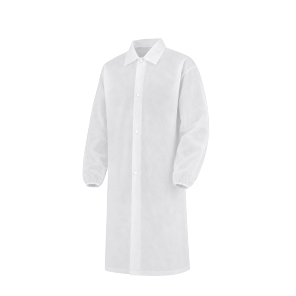
These are acronyms that indicate the material of which a product is composed; specifically:

  • TNT (Non-Woven Fabric): is the generic term to indicate an industrial product similar to a fabric, but obtained through processes other than weaving and knitting
  • SMS (Spunbond-Meltblown-Spunbond): is a non-woven fabric consisting of continuous filaments in 100% polypropylene (PP) randomly arranged and thermally welded through a calendering process or “spunlaid thermobonded” method, plus one layer of “meltblown” and one of “spunbonded polypropylene”
  • SMMS (Spunbond-Meltblown-Meltblown-Spunbond): is similar to SMS, but has two layers of “meltblown” instead of one • HDPE (High-Density Polyethylene): this is high-density polyethylene, a thermoplastic polymer derived from petroleum
  • LDPE (Low-Density Polyethylene): this is low-density polyethylene, a thermoplastic polymer derived from petroleum
  • CPE (Chlorinated Polyethylene): is a thermoplastic chlorinated polyethylene elastomer, produced through chlorination of polyethylene
  • PLP (Polypropylene): this is polypropylene, a very resistant thermoplastic material

  • Open your hand with fingers together, except the thumb. The thumb must be separated from the rest of the fingers.
  • Pass a tailor’s tape measure around the hand, above the knuckles.
  • The idea is to make a circumference around the hand, leaving the thumb outside.
  • Measure the distance from the middle finger to the wrist, where the hand begins.
    Between 17 and 19 cm: XS | 6
    Between 19 and 20 cm: S | 7
    Between 20 and 22 cm: M | 8
    Between 22 and 24 cm: L | 9
    Between 24 and 26 cm: XL | 10
    Between 26 and 28 cm: XXL | 11
    Between 28 and 30 cm: XXXL | 12
Haven't found what you're looking for? https://www.medconsulting.it/wp-content/uploads/2025/05/FAQ-ICONA.png Chat with us