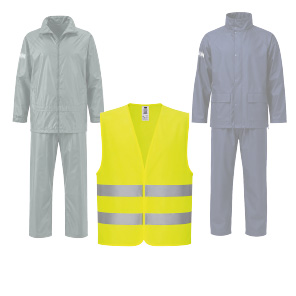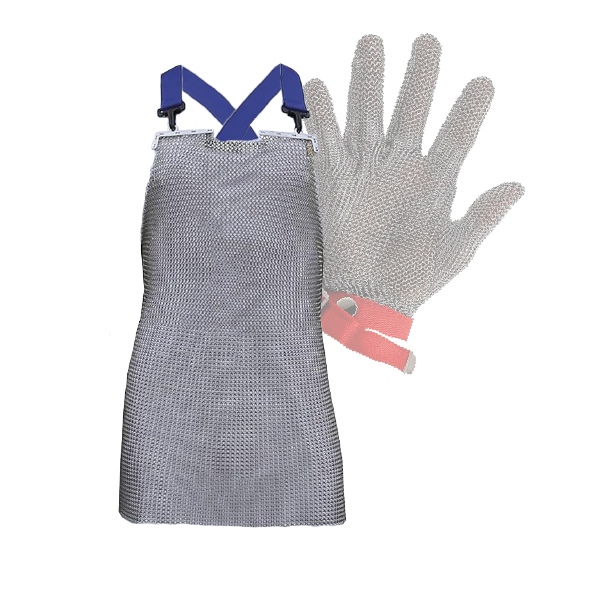
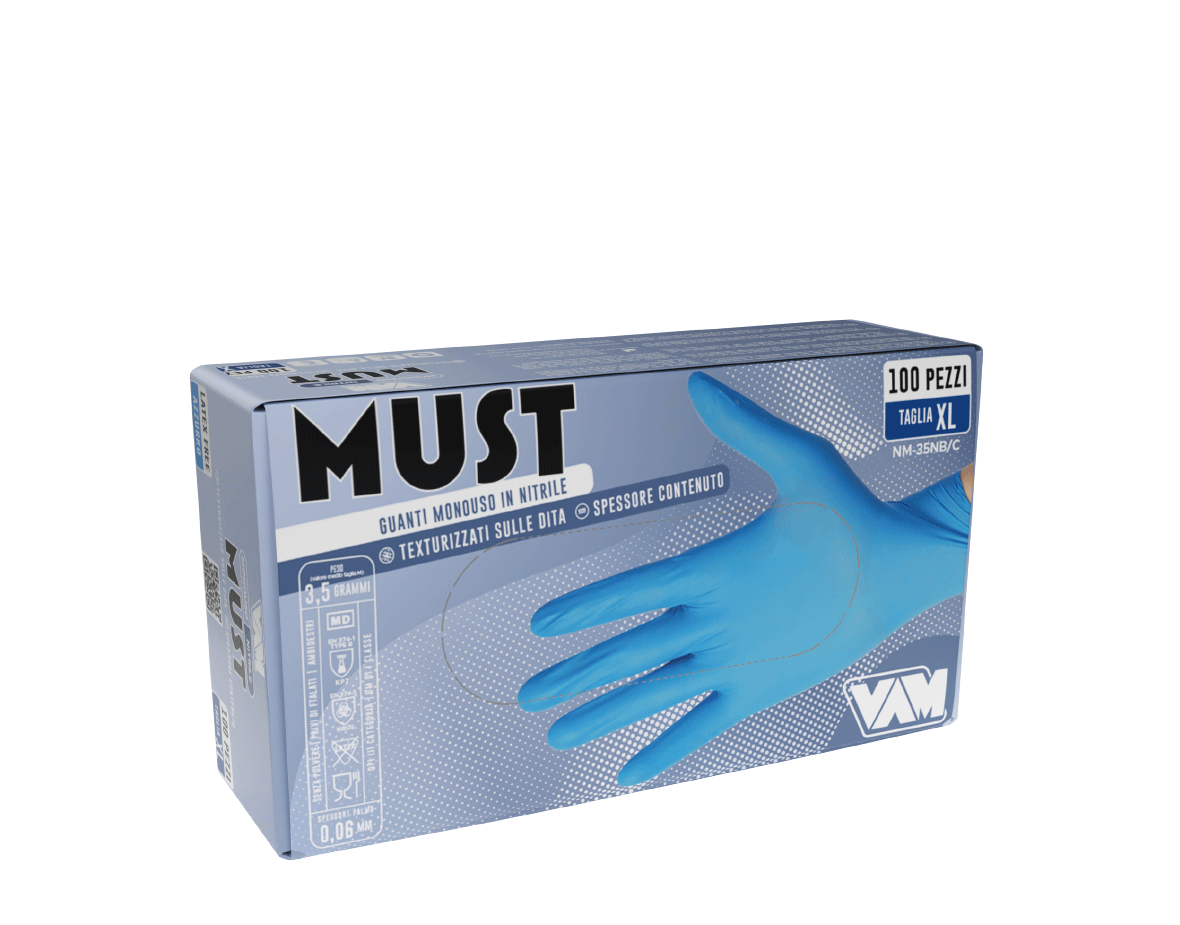
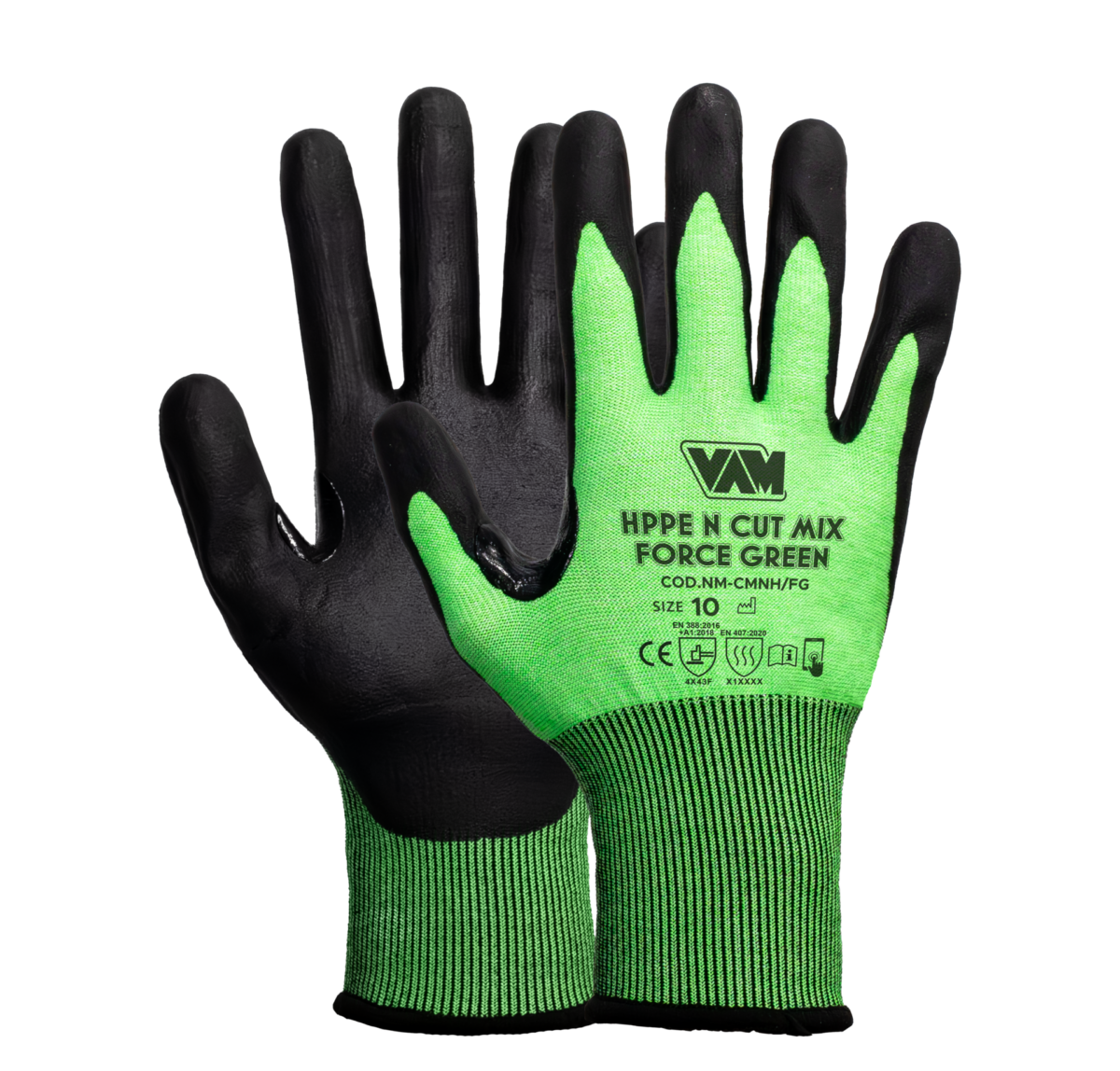
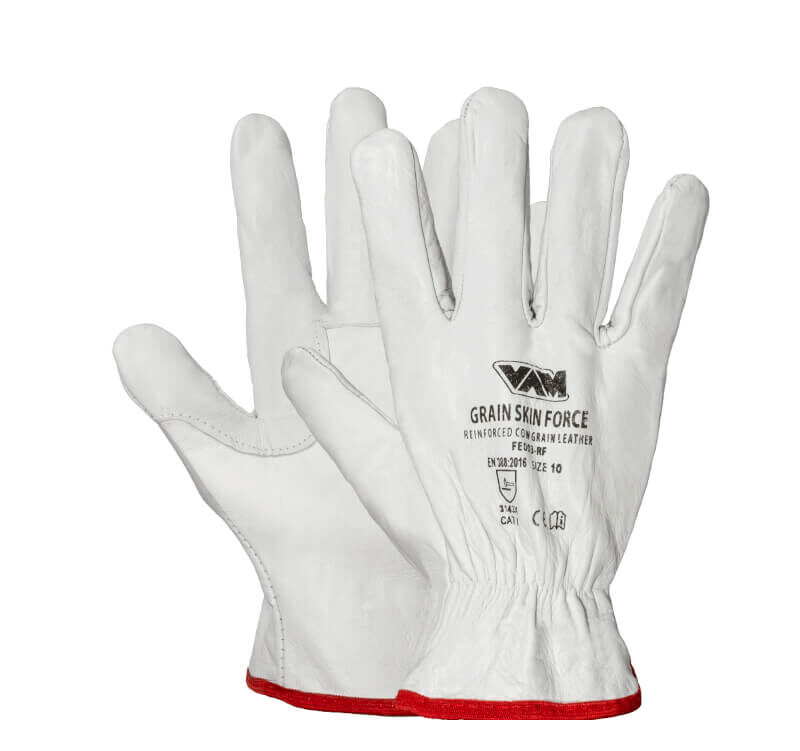

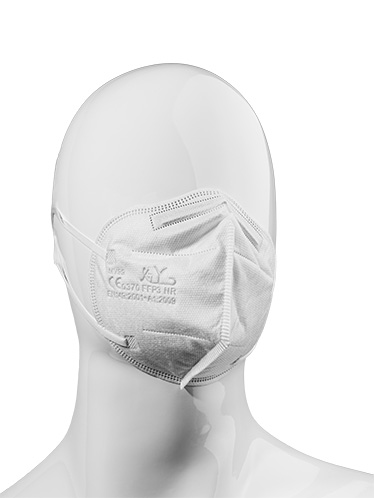
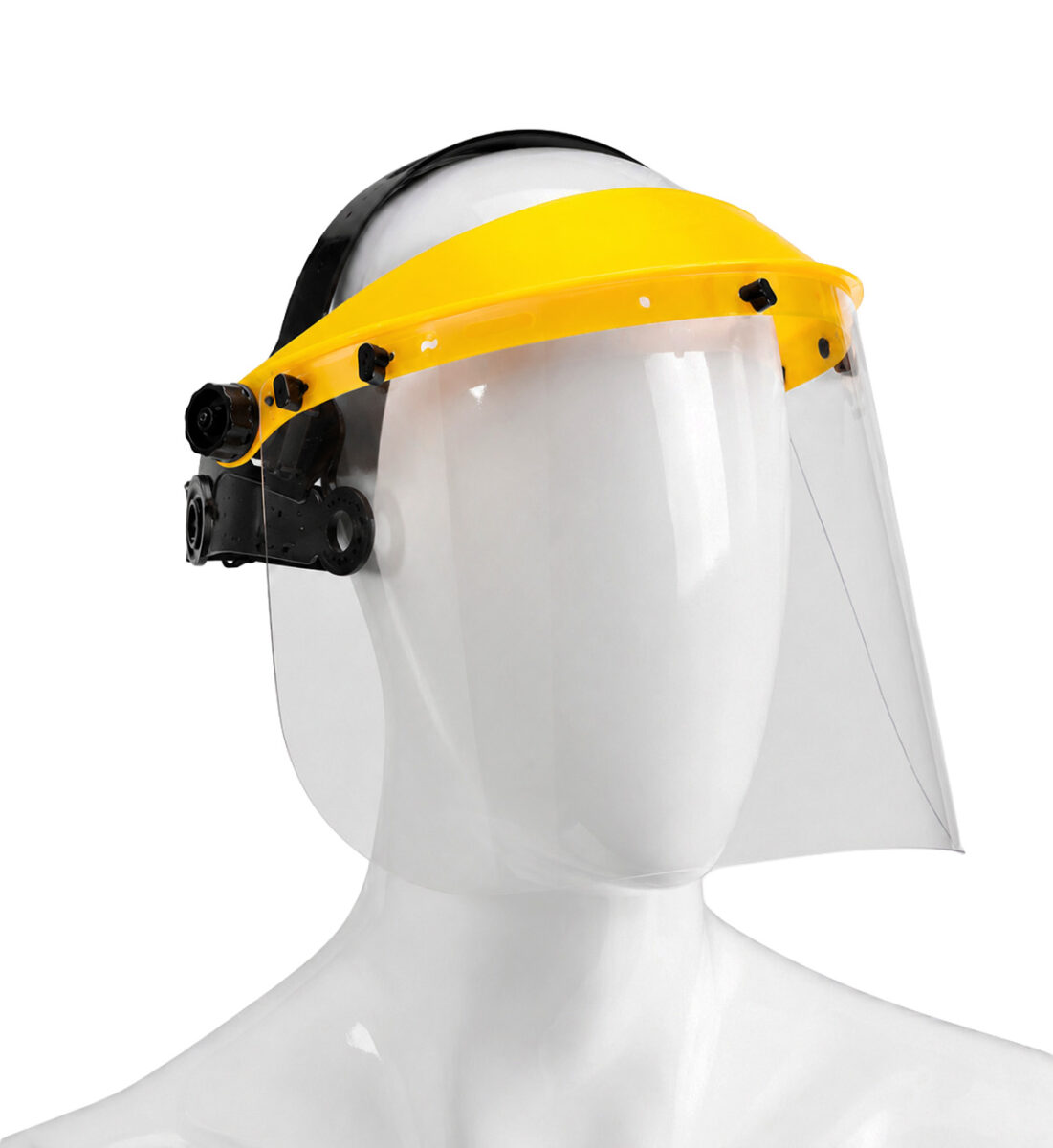
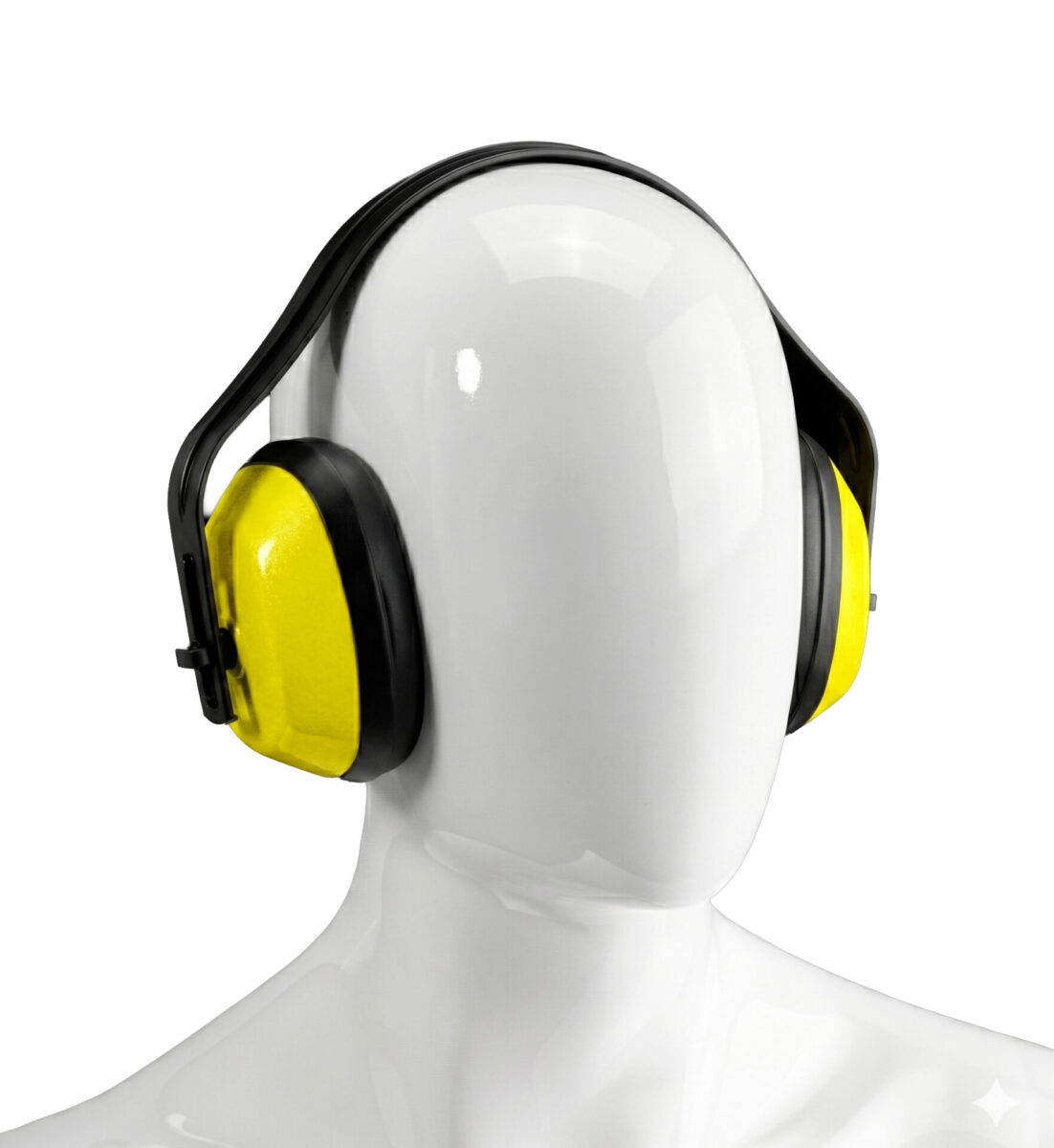

European Regulation (EU) 2016/425 defines the fundamental requirements for PPE (Personal Protective Equipment) in order to ensure maximum safety for those who use them. The objective of this regulation is to guarantee a safe working environment for PPE users and public health. European Regulation (EU) 2016/425 (which repealed and replaced in April 2018 the previous Directive 89/686/EEC on Personal Protective Equipment) requires that all PPE must be marked according to their reference category. The marking may appear directly on the PPE or, if this would be problematic, on the packaging with symbols and indications relating to performance levels and glove characteristics.
CATEGORY I – Minimal risks
Requirements for the manufacturer
Self-certification
CATEGORY II – Intermediate level risks
Certification by accredited certified body

CATEGORY III – Irreversible or fatal risks
Certification by accredited certified body, third-party verification of the production process and glove suitability.
Indication of accredited certified body next to CE (e.g., 0123)
The standard defines general requirements and corresponding tests for the design and manufacture of gloves, material resistance to water penetration, safety, comfort, and efficiency, as well as marking and information provided by the manufacturer for protective gloves.
The most important updates to the EN ISO 21420:2020 standard are:
Specifies the terminology and performance requirements for gloves intended to protect the user against hazardous chemicals. It must be used in conjunction with UNI EN 420. The standard does not specify requirements for protection against mechanical hazards.
Permeation time ≥ 30 min for at least 6 chemicals from the list shown in the regulation (EN 16523-1)
Penetration resistance EN 374-2. Permeation duration ≥ 30 min for at least 3 chemicals from the list shown in the standard (EN 16523-1)
Penetration resistance EN 374-2. Permeation duration ≥ 10 min for at least 1 chemical product from the list shown in the standard (EN 16523-1)
| lettera CODE | No. CAS | CLASS |
|---|---|---|
| A Methanol | 67-56-1 | Primary alcohol |
| B Acetone | 67-64-1 | Ketones |
| C Acetonitrile | 75-05-8 | Nitrile compound |
| D Dichloromethane | 75-09-2 | Chlorinated hydrocarbon |
| E Carbon disulfide | 75-15-0 | Sulfur-containing organic compound |
| F Toluene | 108-8 | Aromatic hydrocarbon |
| G Diethylamine | 109-89-7 | Amino |
| H Tetrahydrofuran | 109-99-9 | Heterocyclic compound |
| I Ethyl acetate | 141-78-6 | Ester |
| lettera CODE | No. CAS | CLASS |
|---|---|---|
| J n-Heptane | 142-8-5 | Saturated hydrocarbon |
| K Sodium hydroxide 40% | 1310-73-2 | Inorganic base |
| L Sulfuric acid 96% | 7664-93-98-3 | Inorganic oxidizing mineral acid |
| M Nitric acid 65% | 7697-37-2 | Inorganic oxidizing mineral acid |
| N Acetic acid 99% | 64-19-7 | Inorganic acid |
| O Ammonia 25% | 1336-21-6 | Inorganic base |
| P Hydrogen peroxide 30% | 7722-84-1 | Peroxide |
| S Hydrofluoric acid 40% | 7664-39-3 | Mineral acid inorganic |
| T Formaldehyde 37% | 50-00-0 | Aldehyde |
Protection against mechanical risks is expressed by a pictogram followed by four numbers representing the levels of protection against a specific risk and two letters. The fifth letter corresponds to the cut resistance level according to the ISO 13997 standard. The final letter, “P,” indicates whether the glove has passed the EN 13594:2015 test and provides impact protection to the joints and fingers.
C Cut resistance ISO 13997:1999 A to F
(X if not applicable)
1 Abrasion resistance 1 to 4
2 Couptest cut resistance 1 to 5
3 Tear resistance 1 to 4
4 Puncture resistance 1 to 4
| RESISTANCE | |||||||
|---|---|---|---|---|---|---|---|
| X | A | B | C | D | E | F | |
| newton | not tested | 2 | 5 | 10 | 15 | 22 | 30 |
| PERFORMANCE LEVEL | |||||||
|---|---|---|---|---|---|---|---|
| X | 1 | 2 | 3 | 4 | 5 | ||
| newton | not tested | 20 | 60 | 100 | 150 | – | |
| newton | not tested | 10 | 25 | 50 | 75 | – | |
| number | not tested | 1.2 | 2.5 | 5.0 | 10.0 | 20.0 | |
| cycles | not tested | 100 | 500 | 2000 | 8000 | – | |
The standard specifies requirements, test methods, information to be provided, and marking for protective gloves and other hand protection devices against heat and/or fire. Protection against heat and/or fire is expressed by one of the following pictograms followed by six numbers, which represent the levels of protection against a specific risk.
If the product does not achieve a limited flame spread performance level.
If the product achieves a limited flame spread performance level (at least level 1).
| MARKS | DESCRIPTION | CRITERION | LEVEL | |||
|---|---|---|---|---|---|---|
| 1 | 2 | 3 | 4 | |||
| A | Limited flame propagation | Post flame time (s) | ≤15 | ≤10 | ≤3 | ≤2 |
| Afterglow Time (s) | / | ≤120 | ≤25 | ≤5 | ||
| B | Contact Heat | Contact Temperature Tc (°C) | 100 | 250 | 350 | 500 |
| Threshold time Ts (s) | ≤15 | ≤15 | ≤15 | |||
| C | Convective heat | Heat Transfer Index (HTI) (s) | ≤4 | ≤7 | ≤10 | ≤18 |
| D | Radiant heat | Heat transfer t24 (s) | ≤7 | ≤20 | ≤50 | ≤95 |
| E | Small metal splashes | Heat transfer t24 (s) | ≤10 | ≤15 | ≤25 | ≤35 |
| F | Large projections of molten metal | Molten iron (g) | 30 | 60 | 120 | 200 |
Class 1 (lower): Protection against low-risk welding work, as well as situations with a small amount of weld spatter and low radiated heat; at least 15 drops of molten metal and a heat transmission index (RHTI) of 24 ≥ 7 s.
Class 2 (higher): Protection against high-risk welding work, as well as situations with large amounts of weld spatter and high radiated heat; at least 25 drops of molten metal and a heat transmission index (RHTI) of 24 ≥ 16 s.
The safety requirements are:
Chromium VI content: maximum < 3 mg/kg
Nickel release: maximum < 0.5 µg/cm2 per week for all metallic materials in direct and prolonged contact with the skin (e.g., studs, accessories).
pH value: between 3.5 and 9.5
Color fastness to sweat: at least Index 4 on the gray scale
Release of carcinogenic aromatic amines < 30 mg/kg
The supplementary standards specify the test methods to be adopted:
EN 1149-1: To prevent discharges that could trigger fires, this standard was developed. It specifies a test method for materials intended for the manufacture of electrostatic-dissipating protective clothing (or gloves). The method does not apply to materials used in the manufacture of clothing or gloves protecting against normal electrical voltages.
EN 1149-2: To measure the vertical electrical resistance of protective clothing materials. The standard is not applicable to protection against mains voltages.
EN 1149-3: To specify methods for measuring the dissipation of electrostatic charges from the surfaces of clothing materials.
EN 1149-5 specifies the material and design requirements for electrostatic-dissipating protective clothing used as part of a total earthing system to prevent discharges that could trigger fires. These requirements may be insufficient in flammable, oxygen-enriched atmospheres. It does not apply to electrostatic-dissipating gloves or footwear, which are separate and not an integral part of the clothing, and it does not apply to protection against mains voltage.
Parts of the body not covered by these garments must be protected by other means. The garment must be buttoned or tied during use. The wearer of antistatic protective clothing must be properly grounded. The resistance between the wearer and the ground must be less than 108 W, using appropriate footwear if necessary. It is prohibited to open or remove antistatic protective clothing near flammable or explosive gases, or while handling flammable or explosive substances.
Protective clothing compliant with EN 14126 must provide an effective barrier against infectious agents such as bacteria, viruses, and other microorganisms. It must be designed to prevent the penetration of contaminated liquids and airborne particles. Garments are tested to ensure they offer the necessary level of protection while maintaining adequate comfort and ease of movement for the wearer.
Standard Requirements
The EN 14126 standard includes several key requirements for protective clothing:
Resistance to penetration by infectious liquids.
Resistance to penetration by infectious aerosols.
Resistance to penetration by infectious dried particles.
Resistance to penetration by synthetic blood.
Test Methods and Values
Garments are subjected to a series of rigorous tests to evaluate their ability to protect against infectious agents. Here is a detailed description of the main test methods:
Contaminated Liquid Penetration Test (ISO 16603 and ISO 16604)
ISO 16603: Determines the resistance of clothing to penetration by synthetic blood under various pressures.
Resistance values: Clothing is classified based on the pressure it can withstand without penetration (e.g., 1.75 kPa, 3.5 kPa, 7 kPa, etc.).
ISO 16604: Similar to ISO 16603, but uses a bacteriophage virus to test for viral resistance.
Resistance values: Similar classification based on pressure (e.g., 14 kPa, 20 kPa, 35 kPa, etc.).
Contaminated Aerosol Penetration Test (ISO/DIS 22611)
Measures the ability of the material to resist penetration by aerosols containing microorganisms.
Resistance values: Measurement of the time and quantity of aerosol penetrated.
Dry Contaminated Particle Penetration Test (ISO 22612)
Evaluates resistance to penetration by contaminated dust particles.
Resistance values: Number of particles that pass through the material.
Synthetic Blood Penetration Test (ISO 16603)
Specifies the requirements for resistance to penetration by synthetic blood.
Resistance values: Pressure at which synthetic blood does not penetrate (e.g., 20 kPa, 30 kPa).
The test methods for the EN 1073-2 standard include various tests designed to evaluate the effectiveness of clothing against the penetration of radioactive particles and ensure they offer adequate protection under different operating conditions. Here is a detailed description of the main test methods:
Resistance to particle penetration:
Method: Garments are subjected to a flow of aerosol containing radioactive particles in a test chamber. The particle concentration is measured both inside and outside the garment.
Values: The Nominal Protection Factor (NPF) is calculated as the ratio between the particle concentration inside and outside the garment. The protection levels are classified as follows:
Class 1: NPF ≥ 5
Class 2: NPF ≥ 50
Resistance to liquid penetration:
Method: Garments are exposed to splashes of liquids containing radioactive particles. The amount of liquid that penetrates the garment is measured.
Values: Results are expressed in terms of mass of liquid penetrated per unit area (mg/cm²). Performance levels are defined based on the amount of penetration detected.
Material durability and resistance:
Method: Tensile, tear, and abrasion tests are performed to evaluate the durability of the garment material.
Values: Performance is measured in terms of tensile force (N), tear resistance (N), and abrasion resistance (cycles).
Ergonomic compliance and comfort:
Method: Practical evaluations by wearing the garments under simulated conditions to test ease of movement, fit, and comfort.
Values: Feedback is collected through questionnaires and objective measurements of movement limitations.
EN 13034 PPE provides limited protection and is suitable for areas where the risk of exposure to chemicals is relatively low. Without protection, the health risks to workers would increase significantly.
Various tests are performed to determine the level of:
Mechanical resistance: tearing, puncture, abrasion, etc.
Tensile strength
Resistance to liquid penetration and repellency
All seams, joints, and assemblies are tested and inspected on the fabric and the finished product. The fabric is tested in various ways to determine its tensile strength and chemical resistance. In these tests, four chemical solutions (30% H2SO4, 10% NaOH, o-xylene and butan-1-ol) are applied to a fabric sample. The amounts of liquid that drip and penetrate the fabric are determined and must fall within the tolerances established by the standard.
TYPE 6 Performance requirements for chemical protective clothing offering limited protection against liquid chemicals
TYPE 6B Limited protection against liquid chemicals + biological protection Type 6B
<strong>TYPE 5</strong> Protective clothing against solid particles
<strong>TYPE 5B</strong> Protection against dust (asbestos) + biological protection Type 5B
The standard establishes several specific criteria for clothing, such as its design and construction.
For <strong>TYPE 3 CLOTHING</strong>, liquid-tight clothing, the standard specifies that it must completely cover the body and have welded or glued seams to prevent liquids from penetrating through the joints. It may also include liquid-tight connections, such as hoods, gloves, boots, visors, or respiratory PPE, for integrated protection.
On the other hand, <strong>TYPE 4 CLOTHING</strong> is designed to protect against chemical splashes, not against direct exposure to pressurized liquid jets. The standard requires that seams, closures, and edges be constructed to prevent splashes from entering.
The standard also considers clothing with partial body protection. While they do not provide full coverage, they are essential for protecting the areas most exposed to chemical risks. However, they fall within the scope of the EN 13034 standard.
Testing for Protective Clothing Against Chemical Agents
To ensure the effectiveness of protective clothing, the EN 14605 standard establishes rigorous testing procedures. Specifically:
– Jet Test (for liquid-tight protective suits – Type 3). The subject wears the garment over an absorbent suit. A marker liquid is then sprayed using a high-pressure jet. This procedure allows the effectiveness of seams, closures, and materials in preventing liquid ingress to be assessed. The outcome is based on the presence of any stains on the inner absorbent suit.
– Spray Test (for splash-tight protective suits – Type 4). In this case, the marker liquid is sprayed over the subject’s entire body, while the subject wears the protective clothing over an absorbent suit. The test aims to simulate working conditions where liquids are dispersed in the air or can splash onto different parts of the garment. At the end of the experiment, the internal absorbent suit is checked for any traces of liquid, thus evaluating the effectiveness of the splash-proof garment.